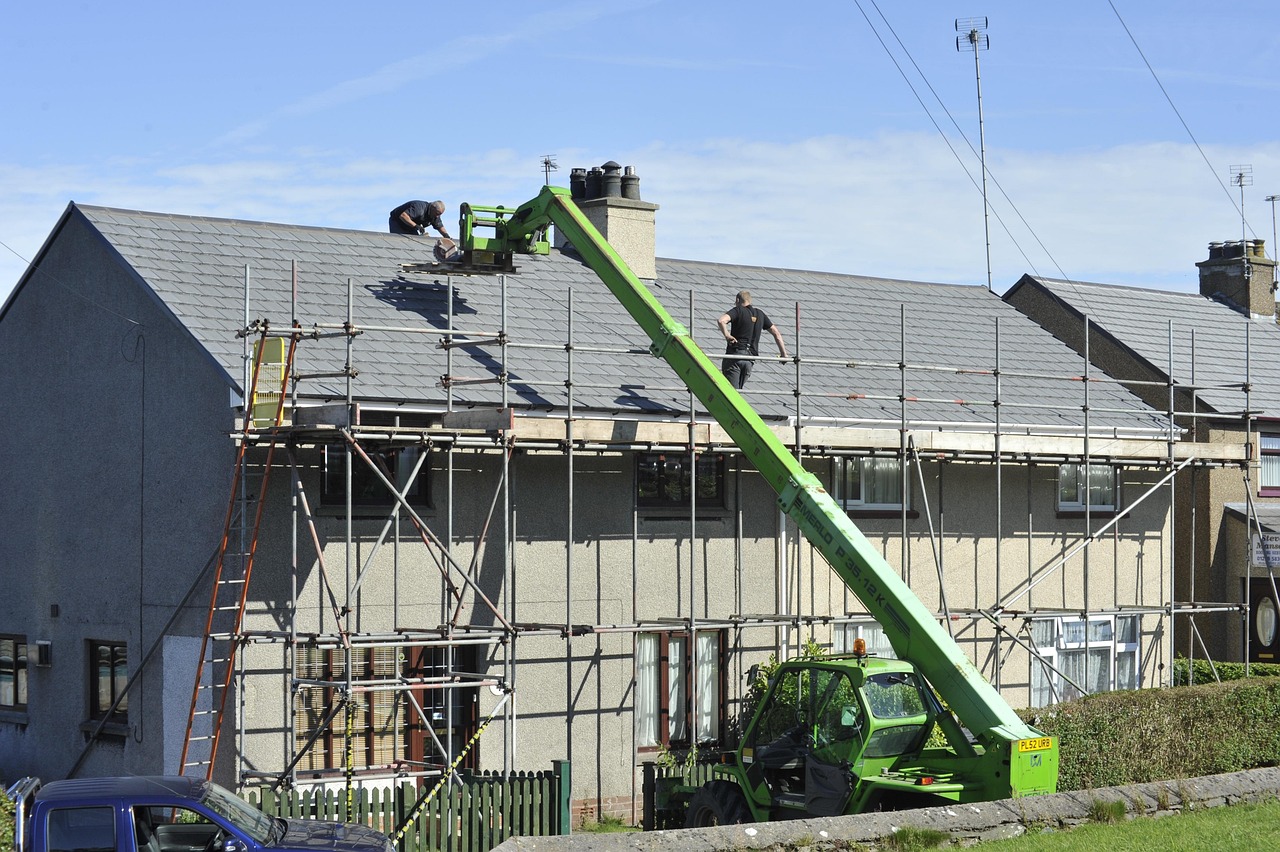
In Tampa, a quality roof underlayment is not just an optional upgrade; it's a crucial defense against the region's unique challenges, from intense sunshine to occasional severe storms. The right underlayment can prevent costly leaks, protect your home's value, and ensure your peace of mind. However, installation mistakes can leave your property vulnerable. This guide cuts through the clutter to provide proven strategies for proper underlayment installation, focusing on what truly matters for Tampa's climate and home types. We'll explore contractor selection, product choices, and maintenance tips, backed by insights from top-rated professionals and consumer guides, to help you make informed decisions and avoid common pitfalls.
- Understanding Tampa Roof Underlayment: Essential Component
- Choosing the Right Material for Your Climate
- Install Underlayment: Step-by-Step Guide
- Sealing and Venting: Key to Waterproofness
- Common Mistakes to Avoid During Installation
- Maintenance: Ensuring Longevity of Your Underlayment
- Local Regulations: Compliance in Tampa
Understanding Tampa Roof Underlayment: Essential Component
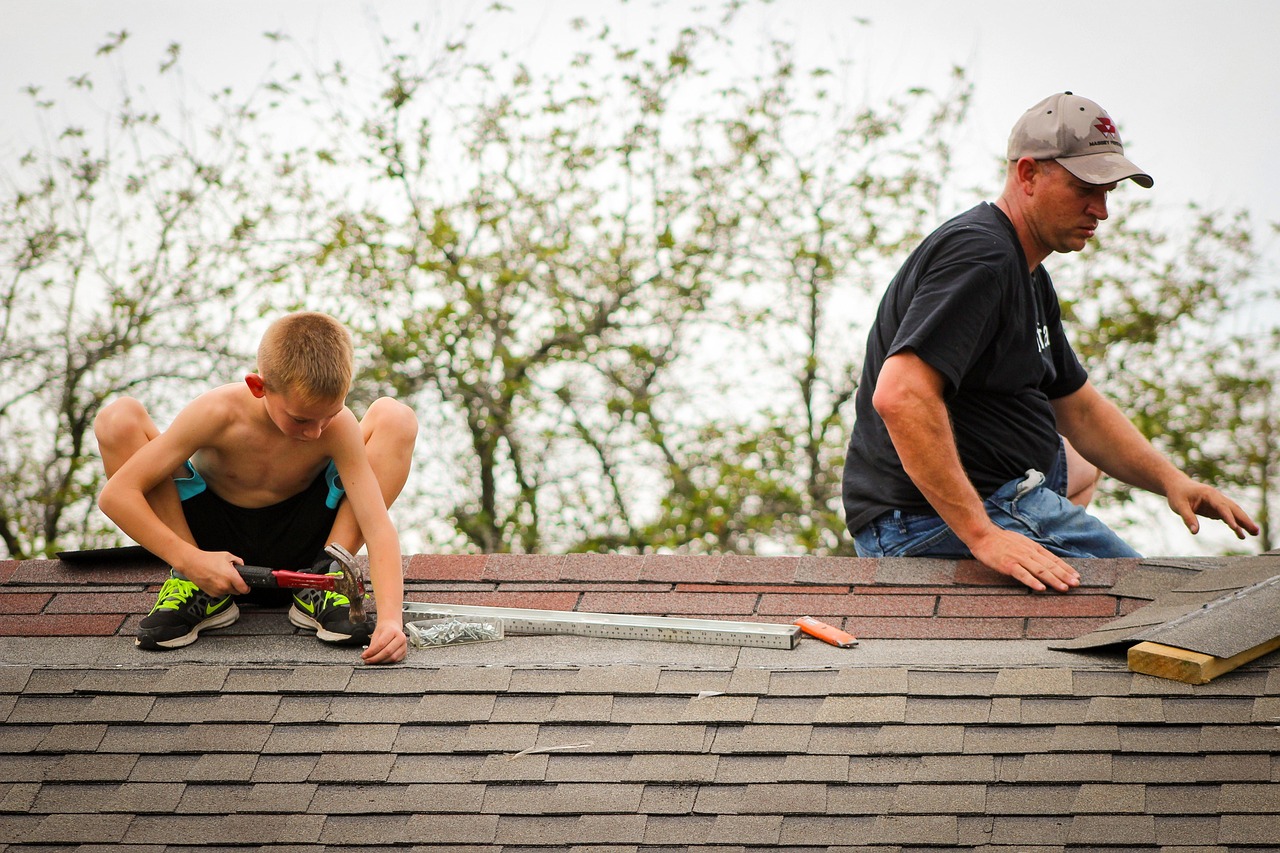
The Tampa climate presents unique challenges for roof underlayment installation. Unlike more temperate regions, our area experiences high humidity levels and frequent storms, making proper protection critical. Tampa roof underlayment serves as a crucial barrier between your home and the elements, providing a secondary layer of defense against water intrusion, wind damage, and extreme temperatures. Choosing the right underlayment and ensuring its proper installation is essential to safeguard your investment.
A certified Tampa roof underlayment installer understands these local conditions and the importance of using high-quality materials. Expert advice suggests selecting a durable, breathable underlayment designed specifically for our region. This isn't just about preventing leaks; it's about employing Tampa roof underlayment protection science to extend the life of your roof. Look for products that offer resistance to mold growth, UV degradation, and extreme weather conditions.
Beyond installation, proper maintenance is key. Regular inspections and addressing any signs of wear or damage can significantly impact the longevity of your Tampa roof underlayment. Consumer guides and product reviews can be valuable resources for understanding industry standards and the latest advancements in underlayment technology. Remember, a well-installed and maintained underlayment is the foundation for a robust roof system, protecting your Tampa home for years to come.
Choosing the Right Material for Your Climate
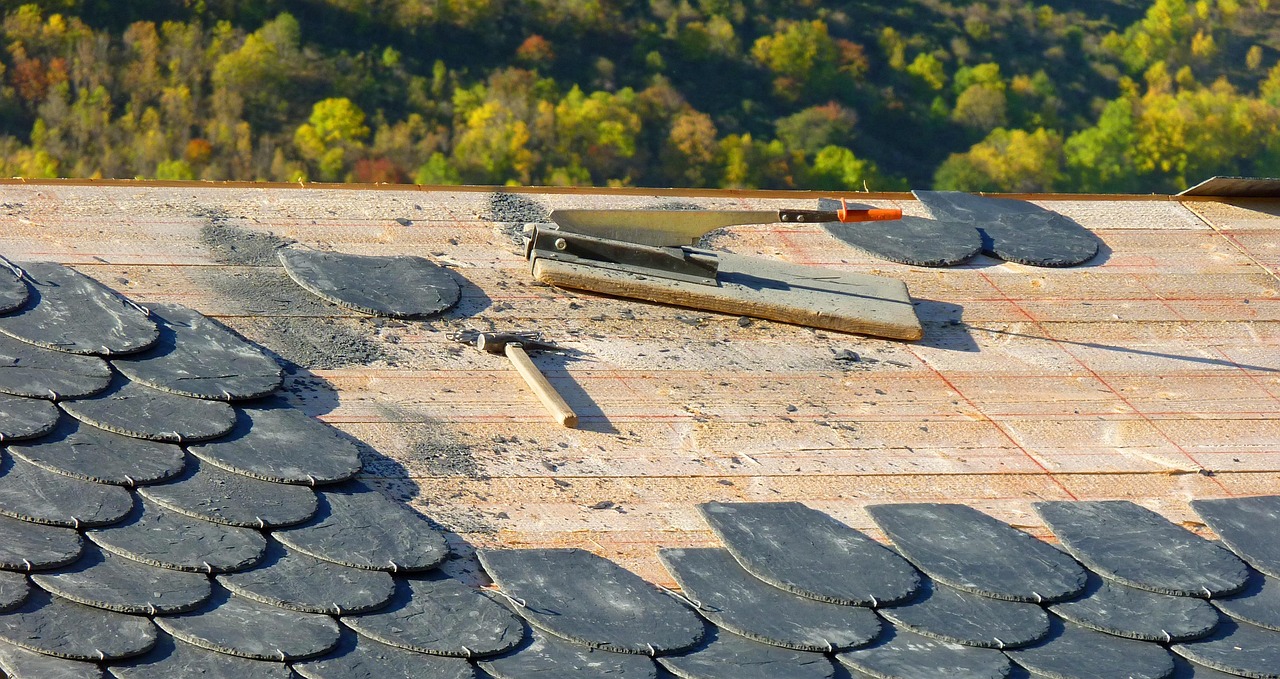
Choosing the right material for your Tampa roof underlayment installation is a crucial step in protecting your home from the unique challenges of the local climate. In this region, where hot summers and occasional storms can take a toll on your roof, the right underlayment can significantly extend the life of your roofing system. A licensed Tampa roof underlayment installer will tell you that selecting material is not just about durability, but also about reflecting heat and managing moisture.
Reflective vs. Non-reflective underlayment is a key consideration. Reflective materials, like aluminum-coated underlayments, are highly effective at reflecting heat, which can help keep your home cooler and reduce cooling costs. This is especially important in Tampa's warm climate. Non-reflective options, on the other hand, are generally more effective at managing water runoff and preventing leaks, which is crucial given the occasional severe storms. A reflective underlayment might be ideal for a home with an energy-efficient design, while a non-reflective one could be preferable for a property prone to heavy rainfall.
A thorough Tampa roof underlayment audit for homeowners involves understanding your roof type and the specific demands of the local environment. For flat or low-sloped roofs, for instance, a non-reflective underlayment with superior water resistance might be recommended to combat potential leak issues. Conversely, pitched roofs might benefit more from reflective materials to mitigate heat absorption. When making this decision, consult with top-rated professionals who can provide product reviews and guidance tailored to your specific needs. Regular maintenance, including checking for damage or wear, is also essential to ensure the longevity of your Tampa roof underlayment.
Preparation: A Solid Foundation for Success

A solid preparation process forms the cornerstone of successful Tampa roof underlayment installation. Before the first nail is driven, consider the unique challenges posed by the Tampa climate, which includes frequent rainfall and high humidity levels. Proper preparation ensures your underlayment acts as a robust barrier against these elements, preventing leaks and prolonging the lifespan of your roof. Begin by thoroughly cleaning the roof surface, removing any debris, dirt, or existing underlayment. This step is crucial as it allows for a clean, dry attachment point, enhancing the underlayment's effectiveness.
When preparing for a Tampa roof underlayment installation, engage the services of experienced contractors who offer 24/7 emergency repairs. These professionals understand the urgency of leak prevention, especially during unpredictable Florida weather. They will assess your roof type, recommending the most suitable underlayment brand and installation method. Some contractors prefer using specialized adhesive for added protection against extreme weather, while others might opt for more traditional fastening techniques, all tailored to your specific roof needs.
Ensure your chosen contractor has excellent customer satisfaction ratings and positive reviews from nearby Tampa residents. This validation guarantees they understand the local requirements and can deliver high-quality workmanship. Proper preparation, combined with skilled craftsmanship, results in a Tampa roof underlayment that offers superior protection, ensuring your home remains safe and dry, no matter the weather.
Install Underlayment: Step-by-Step Guide

Ensuring a robust and durable roof starts with proper underlayment installation. In Tampa's unique climate, where humidity and intense sun can take a toll on your roof, choosing the right underlayment and installing it correctly is crucial for leak prevention and roof longevity. This step-by-step guide walks you through the process, highlighting best practices for licensed professionals and do-it-yourselfers alike.
Begin by preparing the roof surface. Remove any debris, ensure the area is clean, and repair or replace missing or damaged shingles. Install the underlayment, such as a high-quality felt paper, following the manufacturer's instructions. Pay close attention to the Tampa climate when selecting a product. Look for underlayments rated for hot, humid conditions to provide optimal protection against moisture absorption. Properly lap the underlayment layers to create a continuous barrier and seal any seams with a specialized tape. This step-by-step approach forms a solid foundation, much like a strong base for a house, ensuring your roof stays protected against the elements.
For a top-rated Tampa roof underlayment brand, consider those recommended by industry professionals and featured in consumer's guides. Once installed, inspect the underlayment regularly for any signs of damage or moisture intrusion. Regular maintenance, coupled with a quality installation, will contribute to minimizing roof problems and extending the life of your Tampa roof. Remember, a licensed contractor can offer expert advice tailored to your specific roof type and local conditions. Don't hesitate to contact a top-rated professional for emergency repairs or complex installations. Your roof's protection is invaluable, so invest in the best Tampa roof underlayment practices.
Sealing and Venting: Key to Waterproofness
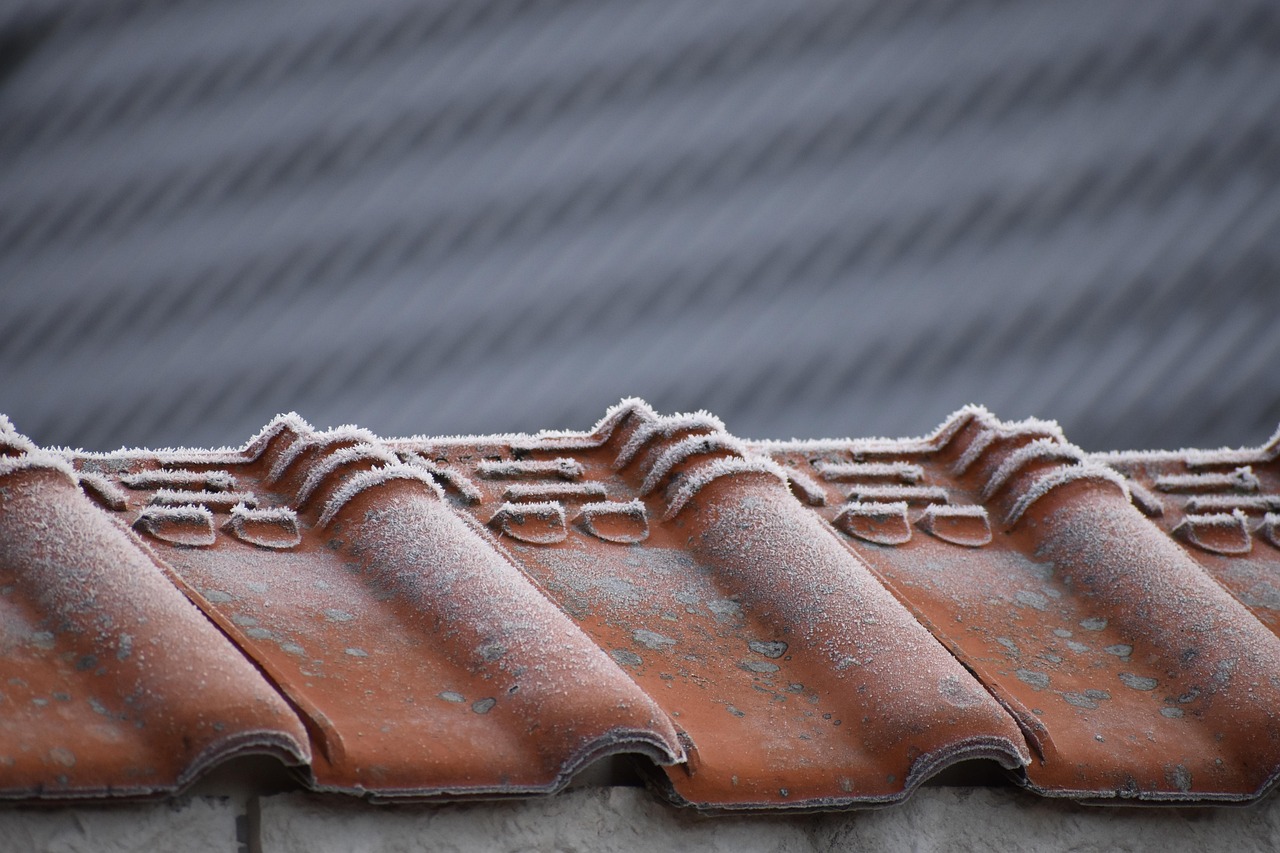
Sealing and Venting: The Cornerstone of Waterproof Tampa Roof Underlayment
In the Tampa area, effective leak prevention is paramount due to our unique climate. A crucial aspect of achieving this is ensuring proper sealing and venting during the installation of your roof underlayment. This acts as the final defense against water intrusion, protecting your home from costly and damaging roof leaks. A licensed Tampa roof underlayment installation expert understands this critical role and employs meticulous techniques to guarantee a waterproof barrier.
Sealing involves filling all gaps and cracks within the underlayment's layers, preventing water from seeping in around corners or through joints. Venting, on the other hand, facilitates the escape of moisture vapor, which can build up during warm, humid Tampa days. Adequate ventilation beneath the roof deck reduces the risk of condensation, mold growth, and structural damage. Top-rated professionals balance these two essential elements, using high-quality materials and precise techniques to create a seamless, well-ventilated underlayment system.
Many underlayment brands recommend specific installation practices, like using a waterproof membrane at the point where the underlayment meets the roof deck or ensuring adequate spacing between underlayment layers to allow for proper air flow. 24/7 Tampa emergency roof underlayment services are valuable for unforeseen issues, like storm damage, where quick repair can prevent further water intrusion and mitigate extensive roof problems. Remember, a licensed contractor will always prioritize these details, ensuring your Tampa roof underlayment installation stands the test of time, keeping your home dry and safe.
Common Mistakes to Avoid During Installation
For ensuring a durable and leak-free roof, proper underlayment installation is crucial. However, even experienced contractors can fall prey to common mistakes that compromise the effectiveness of this vital barrier. In Tampa, where the climate presents unique challenges, understanding and avoiding these errors is essential for any homeowner looking to protect their investment.
One of the most frequent mistakes is neglecting to properly secure the underlayment. Self-adhering roof underlayment installation in Tampa requires a thorough understanding of the material's capabilities. Using too much adhesive or not applying it evenly can lead to bubbles, gaps, or weak spots, all of which increase the risk of leaks. A top-rated Tampa contractor once encountered a case where an amateur installer applied too much adhesive, causing the underlayment to peel away from the roof surface. This highlights the importance of following manufacturer guidelines and seeking expert advice when necessary.
Another oversight often involves overlooking the need for a secondary barrier. To the primary underlayment, many Tampa roof types benefit from an additional layer of protection, especially in our region's harsh conditions. Homeowners should consult with top-rated Tampa roof underlayment brands and contractors to determine the best course of action for their specific roof. Failing to install this additional barrier can lead to severe damage during storms or intense sun exposure, resulting in costly emergency roof underlayment Tampa repairs.
Finally, ignoring regular maintenance can lead to serious issues. Even the highest quality underlayment requires periodic inspection and repair. Homeowners should schedule regular maintenance checks to ensure no tears, holes, or loose edges have developed. This proactive approach, coupled with choosing a reputable contractor, can extend the life of your underlayment and avoid costly insurance claims for roof damage coverage. Remember, a well-installed and maintained underlayment is the first line of defense against Tampa's diverse weather patterns.
Maintenance: Ensuring Longevity of Your Underlayment
Maintaining your Tampa roof underlayment is crucial for prolonging its lifespan and ensuring your home remains protected against the elements. Given the region's unique climate, with its frequent rain and high humidity, a robust underlayment system is essential. Regular checks and maintenance can help identify potential issues early on, preventing costly repairs. One of the first steps in maintaining your underlayment is to ensure it's installed correctly. Working with local Tampa roof underlayment experts can make all the difference; these professionals understand the specific challenges of the Tampa climate and can recommend the best products for your roof type.
Affordable Tampa roof underlayment options are readily available, and many top-rated contractors offer maintenance packages tailored to your needs. Regular maintenance involves inspecting the underlayment for any signs of damage, such as tears, punctures, or mold growth, especially in areas prone to high moisture levels. It's also crucial to check for proper ventilation, as adequate air circulation helps regulate temperature and reduces the risk of damage from excessive moisture. Many issues can be resolved with simple repairs, such as patching holes or replacing missing pieces of underlayment. However, if you notice widespread damage or have concerns about your underlayment's integrity, it's best to consult with a local expert.
To maintain the longevity of your Tampa roof underlayment, keep a maintenance schedule, address issues promptly, and choose a reputable contractor for installation and repairs. By following these guidelines, you can help protect your investment and ensure your home's roof remains a reliable barrier against the elements for years to come. Remember, proper maintenance is key to preventing costly roof problems and keeping your home safe and secure.
Local Regulations: Compliance in Tampa
The Tampa building code dictates specific requirements for roof underlayment installation, crucial for protecting structures from the region's unique climate. The code may mandate minimum underlayment coverage, specific adhesive application methods, and water-resistant barrier requirements.
Self-adhering roof underlayment installation in Tampa is a popular choice for its ease and efficiency. These underlayments, like those from leading brands, come with pre-applied adhesive, simplifying the installation process. A step-by-step Tampa roof underlayment repair guide can be found in many consumer's guides, ensuring even DIY enthusiasts can tackle minor issues. However, for larger repairs or replacements, enlisting a licensed contractor is recommended. The cost of Tampa roof underlayment replacement varies based on the roof type, the extent of damage, and the type of underlayment chosen, among other factors.
Proper underlayment installation isn't just about compliance; it's about ensuring the longevity and integrity of your Tampa property. A well-installed underlayment acts as a crucial barrier against leaks, wind damage, and other weather-related issues. To ensure compliance and optimal protection, consult the Tampa Building Department and engage top-rated professionals who understand the local regulations and the latest installation techniques.
Frequently Asked Questions About How to Ensure Proper Roof Underlayment Installation in Tampa
What is the purpose of roof underlayment?
Roof underlayment, often made of synthetic materials like felt or paper, serves as a crucial secondary barrier between your roof deck and the elements. It prevents water intrusion, protects against damage from wind and debris, and provides an extra layer of insulation. A well-installed underlayment significantly extends the life of your roof, safeguarding against leaks and ensuring better energy efficiency.
What type of underlayment is best for Tampa's conditions?
In Tampa, where hurricanes and intense rainfall are common, a wind-resistant, synthetic underlayment like self-adhesive underlayment or felt paper with a thick, reinforced layer is recommended. These types offer superior protection against high winds and heavy rainfall, adhering firmly to the roof deck and providing a strong barrier against water intrusion.
How do I know if I need to replace my underlayment?
Signs your underlayment may need replacing include visible tears or punctures, loose or curled edges, and evidence of water damage or mold growth. If your roof is older than 10 years, or if you've experienced leaks, it's wise to inspect and potentially replace the underlayment. A professional inspection can pinpoint any issues, ensuring your roof remains secure and water-tight.
What steps should I take when installing new underlayment?
Proper installation is key. Start by ensuring a clean, dry roof deck. Apply a layer of roofing cement or adhesive as per manufacturer instructions, then lay down the underlayment in a linear pattern, overlapping each section slightly. Use staples or nails to secure the underlayment, keeping them at least 4 inches apart. Finally, inspect for any gaps or tears and make repairs to ensure complete coverage and protection.
How can I ensure the underlayment stays in place during storms?
Beyond using wind-resistant materials, ensure proper installation and consider additional measures for areas prone to extreme weather. Fastening the underlayment to the roof deck with mechanical fasteners, such as staples or nails, and sealing around edges and penetrations with roofing cement further secures it. For areas frequently hit by strong winds, consult a professional for specialized installation techniques.
Do I need a permit for underlayment installation?
In Tampa, as with many areas, specific building codes govern roof work, including underlayment installation. While a permit isn't always required for minor repairs or replacements, it's advisable to check with your local building department. For extensive or new construction, a permit is usually necessary. Consulting a licensed contractor familiar with Tampa's codes can help you navigate these requirements.
A well-installed Tampa roof underlayment is a crucial defense against the region's distinct climate and potential roof problems. By choosing the right material, preparing your roof surface, and following a meticulous installation process, you lay the foundation for a durable, waterproof barrier. This article has guided you through the entire process, from selecting the best underlayment for Tampa's conditions to maintaining its longevity.
Key takeaways include the importance of local regulations, the necessity of sealing and venting for water resistance, and the avoidance of common installation mistakes. Top-rated professionals and consumer guides emphasize the value of quality products and customer satisfaction.
Moving forward, homeowners and property managers should prioritize regular maintenance to ensure the underlayment's longevity, protect against costly insurance claims, and safeguard their investment in their Tampa properties. This practical guide equips you with the knowledge to make informed decisions and ensure the successful installation of a Tampa roof underlayment.
The Tampa climate demands strategic roof underlayment installation for optimal protection. Choose durable, breathable underlayment tailored to local conditions, addressing mold growth and extreme weather. Regular maintenance and inspections are vital. Follow Tampa building code requirements, ensuring proper installation techniques for self-adhering underlayments. Engage licensed professionals for expert advice, compliance, and long-lasting protection.