
In the warm, humid Tampa climate, choosing the right roof underlayment is crucial for protecting your home from the elements. The tampa roof underlayment matters in leak prevention, a common and costly problem in our region. With numerous brands and product variations available, homeowners and contractors face a complex decision: should you opt for a reflective or non-reflective underlayment? This article examines the key differences, benefits, and drawbacks of each type to guide your informed selection. We'll explore how these choices impact your roof's longevity, energy efficiency, and potential for future repairs, ultimately helping you make a wise investment for your Tampa property.
- Understanding Tampa Roof Underlayment: Key Components
- Reflectivity: How It Works and Its Benefits
- Non-Reflective Options: Material and Cost Comparison
- Climate Impact: Tampa's Unique Challenges and Solutions
- Installation Process: Step-by-Step Guide for Both Types
- Longevity and Performance: Reflectivity vs. Non-Reflective Over Time
- Energy Efficiency: Reflectivity's Role in Cooling Costs
- Local Regulations and Choosing the Right Underlayment
Understanding Tampa Roof Underlayment: Key Components
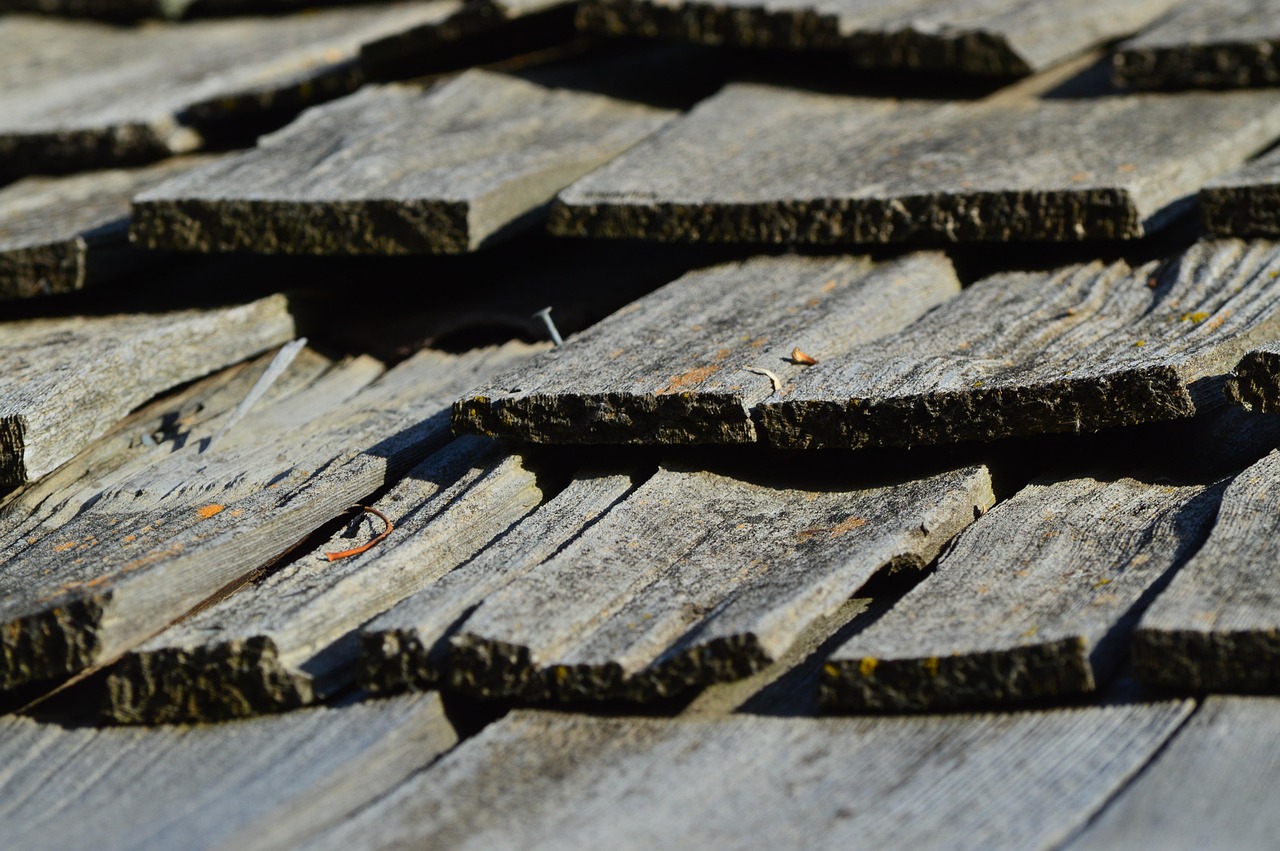
The Tampa roof underlayment market offers a crucial layer of protection for any roofing system, acting as a barrier between the roof deck and the elements. When considering options, homeowners and contractors in Tampa face a choice between reflective and non-reflective underlayments. This decision impacts not just the initial installation but also long-term maintenance and potential repair costs.
Reflective underlayments are designed to reflect heat, providing a cooling effect on the roof and potentially reducing energy costs. They are often made from aluminum-coated materials, which offer excellent resistance to corrosion. However, in the Tampa climate, where heat and humidity are year-round concerns, this reflective property can have unintended consequences. Over time, reflective underlayments can become a haven for mold growth due to trapped moisture, leading to health issues and increased repair bills. For Tampa homeowners, especially those with flat or low-slope roofs, a non-reflective alternative can be a smarter choice. These underlayments, often made from synthetic or fiberglass materials, offer superior water resistance and breathability, preventing moisture buildup and minimizing the risk of mold.
For installation, licensed professionals in Tampa recommend a few key components for a successful Tampa roof underlayment. First, ensure proper ventilation to reduce heat build-up and moisture accumulation. Second, use a high-quality underlayment that is suitable for the local climate and roof type. For same-day Tampa roof underlayment repair or installation, homeowners should look for top-rated professionals who can assess the problem quickly and provide a solution without causing further damage. Regular maintenance, such as checking for tears or loose sections, is also crucial. Should a problem arise, an expert in Tampa roof underlayment problem-solving can help identify the issue, whether it's a leak, mold infestation, or poor installation, and offer a cost-effective repair.
Reflectivity: How It Works and Its Benefits

Reflectivity, a key attribute of roof underlayment, plays a critical role in the performance and longevity of your Tampa roof. Unlike non-reflective underlayments that simply provide a barrier against moisture, reflective underlayments are designed to actively manage heat transfer, reducing the roof's overall temperature. This is particularly important in the Tampa climate, where high temperatures and intense sunlight can accelerate the aging of roofing materials.
The benefits of reflective roof underlayment are multifaceted. First, by reflecting a significant portion of the sun's radiant heat, it helps lower the roof's surface temperature. This can translate to substantial energy savings by reducing the load on cooling systems. In the Tampa area, where summers can be scorching, this could mean significant electricity bills savings. Reflective underlayments contribute to a more comfortable living environment, as a cooler roof can lead to a cooler, more pleasant indoor temperature.
For installation and protection, a step-by-step Tampa roof underlayment repair guide is a valuable resource for homeowners. Regular maintenance, including inspecting and replacing any damaged or worn underlayment, is crucial. In the event of a leak, 24/7 Tampa emergency roof underlayment services are available to address the issue promptly, minimizing potential damage to your property. When choosing a reflective underlayment, it's essential to consult with top-rated professionals who can recommend brands known for their quality and performance. Consumer guides and product reviews can also offer insights into the effectiveness and durability of different reflective underlayment options. Remember, the right choice can make a substantial difference in your Tampa roof's overall performance and longevity.
Non-Reflective Options: Material and Cost Comparison
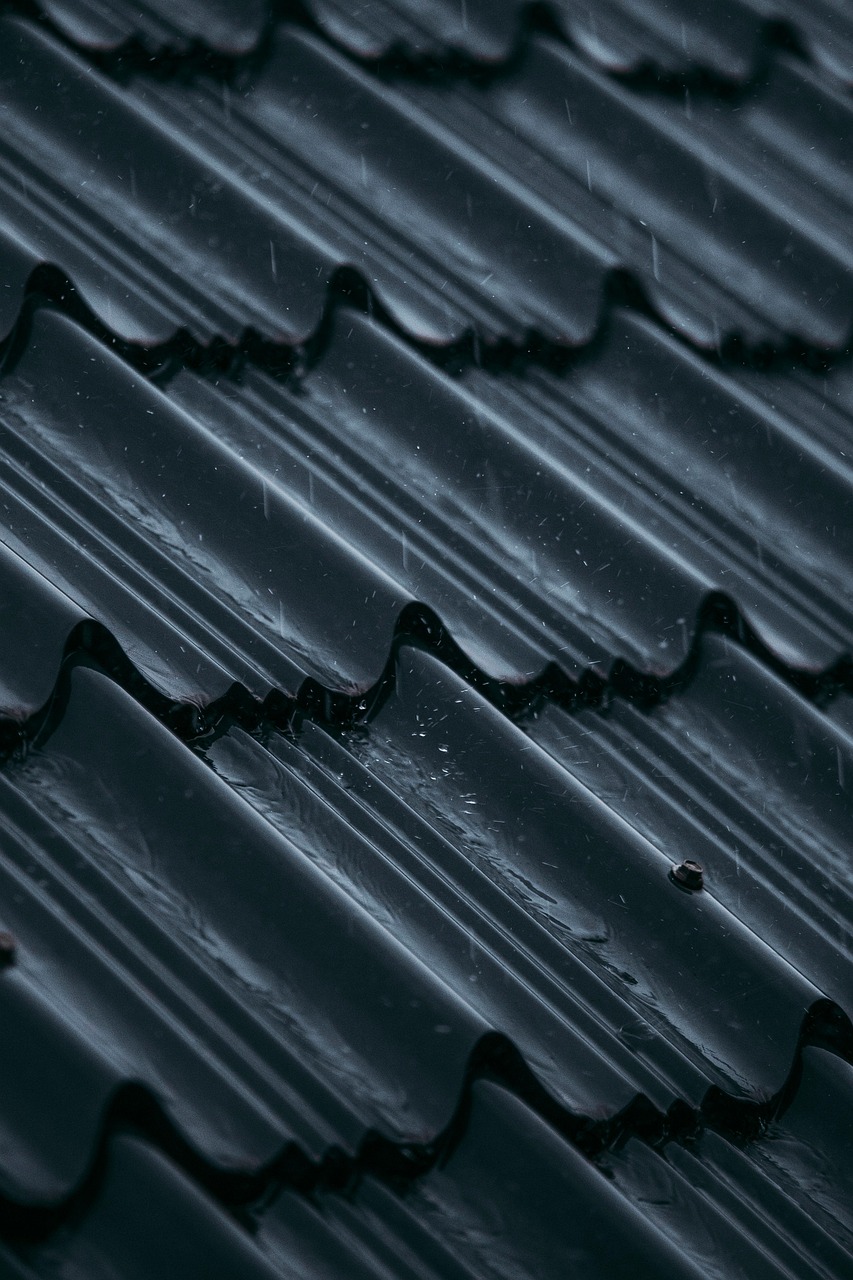
When comparing Tampa roof underlayment options, non-reflective materials stand out for their effectiveness in leak prevention, especially in the region's unique climate. This section examines the practical aspects of non-reflective underlayment, focusing on material selection and cost implications.
The choice between reflective and non-reflective underlayment largely depends on the specific needs of a Tampa property. Non-reflective options, often made from materials like asphalt or synthetic felts, are preferred for their superior water resistance and ability to keep heat in during colder months. Self-adhering roof underlayment installation in Tampa is a popular choice due to its ease of application and increased durability. These underlayments act as a secondary barrier against water intrusion, significantly enhancing the overall roof system's leak prevention capabilities.
In terms of cost, non-reflective Tampa roof underlayment typically offers a more economical solution compared to reflective alternatives. While initial expenses may vary based on the material and brand, long-term savings can be realized through reduced repair and replacement frequencies. For homeowners on a budget or seeking an emergency roof underlayment solution in Tampa, non-reflective options provide a cost-effective, efficient solution. A consumer's guide to Tampa roof underlayment could highlight the affordability of common non-reflective brands and their role in minimizing unexpected damage and costly insurance claims.
Climate Impact: Tampa's Unique Challenges and Solutions
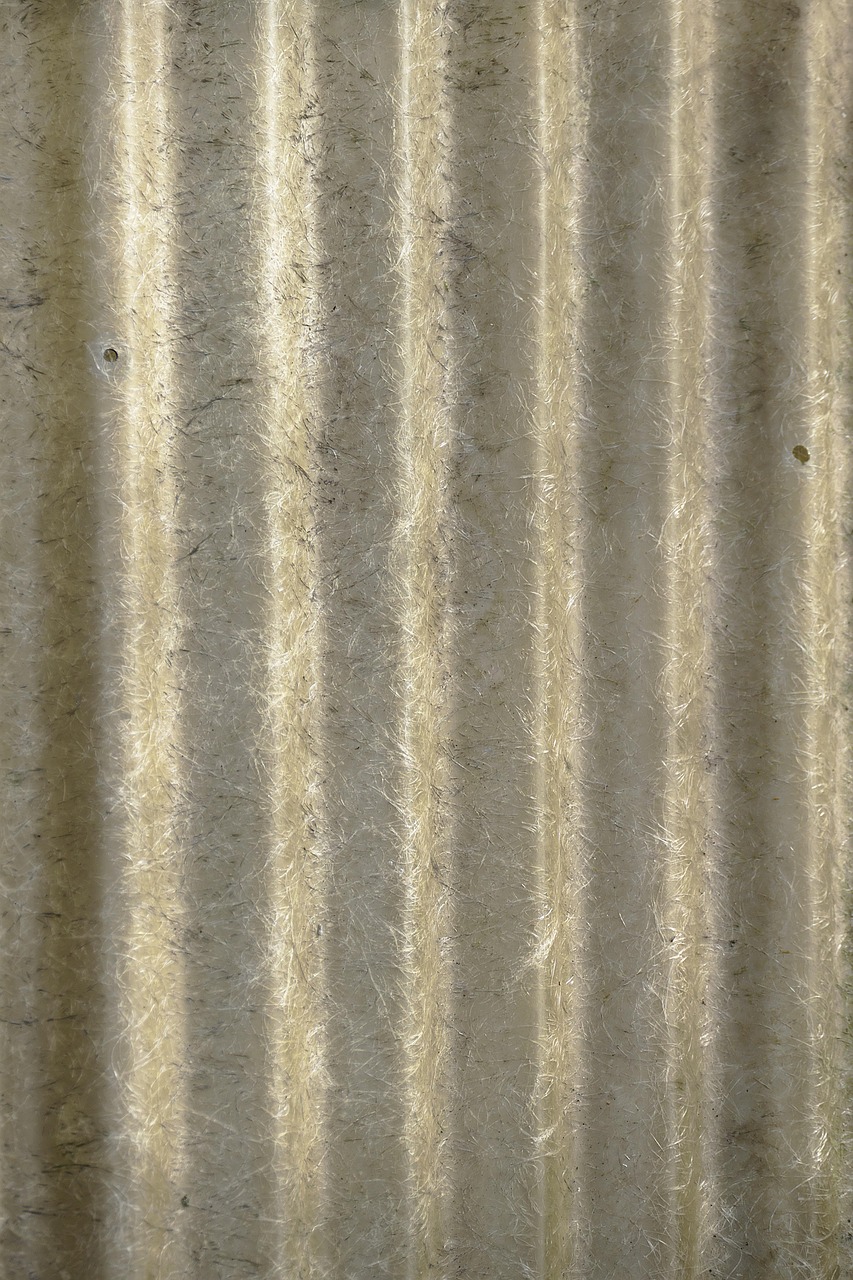
The Tampa climate presents unique challenges for roof underlayment. High humidity and frequent rainfall create an environment conducive to mold growth and wood rot, potentially compromising the integrity of roofs and underlayments. Proper roof underlayment is crucial for Tampa property owners to mitigate these risks.
When selecting a Tampa roof underlayment, considering its reflective or non-reflective properties is essential. Reflectivity refers to the material's ability to reflect heat, which can help regulate roof temperatures and reduce cooling costs. However, in Tampa's humid climate, some experts recommend non-reflective underlayments. These materials are less prone to attracting heat, minimizing the risk of excessive moisture buildup that could lead to mold issues.
Self-adhering roof underlayment installation is a popular choice for Tampa residents. This method, often preferred by top-rated professionals, offers several advantages. It provides a seamless barrier against leaks, especially when combined with proper sealing at joints and edges. Self-adhering underlayments are easy to install, making them a convenient solution for emergency repairs or quick re-roofing projects. A reliable Tampa roof underlayment company might use a non-reflective, self-adhering product to protect a home from a recent storm, ensuring no further damage from leaks.
The choice between reflective and non-reflective underlayments should consider individual needs and climate-specific challenges. Homeowners should consult with experienced contractors to determine the best course of action. Proper installation, whether for reflective or non-reflective underlayments, is key to preventing roof problems. By understanding Tampa's unique climate impact, property owners can make informed decisions to protect their investments.
Installation Process: Step-by-Step Guide for Both Types

Installation Process: A Detailed Look at Tampa Roof Underlayment Options
For installing a roof underlayment in Tampa's unique climate, understanding the process for both reflective and non-reflective options is crucial for an effective barrier against potential roof damage. The Tampa roof underlayment protection science involves a meticulous approach to ensure your home's structural integrity. Here's a step-by-step guide to help you navigate the installation process, focusing on the key differences between these two types.
Reflective vs. Non-Reflective: A Practical Approach
Step 1: Preparation: Regardless of the underlayment type, preparation is key. This involves inspecting your roof and ensuring it's clean, dry, and free of any debris. For reflective underlayments, the surface must be clean and free of contaminants that could interfere with the reflective coating's effectiveness. In Tampa, where solar radiation is intense, proper preparation is essential to maximize the underlayment's performance.
Step 2: Choosing the Right Material: The choice between reflective and non-reflective underlayment depends on your specific needs. Reflective underlayments, often made with aluminum or foil, are designed to reflect solar heat, helping to keep your home cooler and reducing cooling costs. On the other hand, non-reflective underlayments, usually constructed from asphalt or fiberglass, provide a standard water-resistant barrier. In affordable Tampa roof underlayment options, non-reflective materials often prove more cost-effective while still offering substantial protection.
Step 3: Installation: For reflective underlayments, specialized installation techniques are required. This involves adhering the reflective layer to the roof deck using a suitable adhesive. The contractor will ensure proper overlap and sealing to maintain the reflective surface's integrity. Non-reflective underlayments are typically installed by laying down rolls of the material and securing them with staples or nails, creating a layer that covers the entire roof surface.
Step 4: Final Checks: Once installed, both types of underlayment should be thoroughly inspected for any tears, holes, or areas where the underlayment doesn't lay flat. These issues could compromise the overall protection. In the case of reflective underlayments, ensuring the reflective surface is intact and undamaged is critical. Proper installation, combined with Tampa roof underlayment damage insurance, offers peace of mind, knowing your home is protected against potential roof-related calamities.
Longevity and Performance: Reflectivity vs. Non-Reflective Over Time

In the Tampa climate, the longevity and performance of your roof underlayment are paramount to ensuring your home remains protected against the elements. When considering between reflective and non-reflective underlayment, the former boasts an edge in terms of durability. Reflective materials, often made with aluminum or reflective films, are designed to reflect heat and sunlight, reducing the roof's overall temperature. This reflective property extends to its lifespan-these materials are known for resisting corrosion and degradation, making them a top choice for long-term protection. Many top-rated professionals in Tampa recommend reflective underlayment for its ability to maintain integrity over time, especially in the region's humid and warm conditions.
Non-reflective underlayments, on the other hand, typically consist of standard asphalt or fiber-based materials. While they offer excellent leak prevention and are affordable options, their performance wanes over time. These materials are more susceptible to UV damage and can show signs of wear and tear faster, potentially leading to more frequent repairs or replacements. In a same-day emergency repair scenario, non-reflective underlayments may not provide the same level of protection or longevity, making them a less ideal choice for Tampa's climate.
To ensure the best return on investment, homeowners should consider the specific needs of their property. For those looking for a long-lasting solution, reflective underlayment is the clear choice. It not only reflects heat but also protects against the harsh conditions that can accelerate roof damage. Choosing an affordable Tampa roof underlayment from reputable brands can make this high-performance option more accessible. Regular maintenance and inspections also play a crucial role in maximizing the lifespan of any underlayment, regardless of type.
Energy Efficiency: Reflectivity's Role in Cooling Costs

The energy efficiency of a Tampa roof underlayment plays a critical role in managing cooling costs, especially in the city's unique climate. Reflectivity, a measure of how well a material reflects heat, is a key factor in keeping homes cool during the hot Tampa summers. High-reflectivity roof underlayments are designed to reflect a significant portion of the sun's radiant heat, reducing the amount of heat transferred into the building. This, in turn, lowers cooling demands and can lead to substantial energy savings.
This reduction in roof heat transfer not only provides comfort for occupants but also lessens the workload on air conditioning systems. As Tampa's 24/7 emergency roof underlayment services attest to, reflective materials are in high demand due to their ability to mitigate damage from extreme heat, which can lead to roof failures. Self-adhering roof underlayment installation in Tampa has become a popular choice because of its ease of application and enhanced energy efficiency.
A step-by-step Tampa roof underlayment repair guide emphasizes the importance of choosing the right reflective product. Consumers should look for underlayments with high-quality reflective films or coatings that are designed to withstand the region's specific conditions. Proper installation is crucial; a professional contractor can ensure that the reflective underlayment is applied evenly and sealed correctly to maximize its energy-saving potential.
Local Regulations and Choosing the Right Underlayment
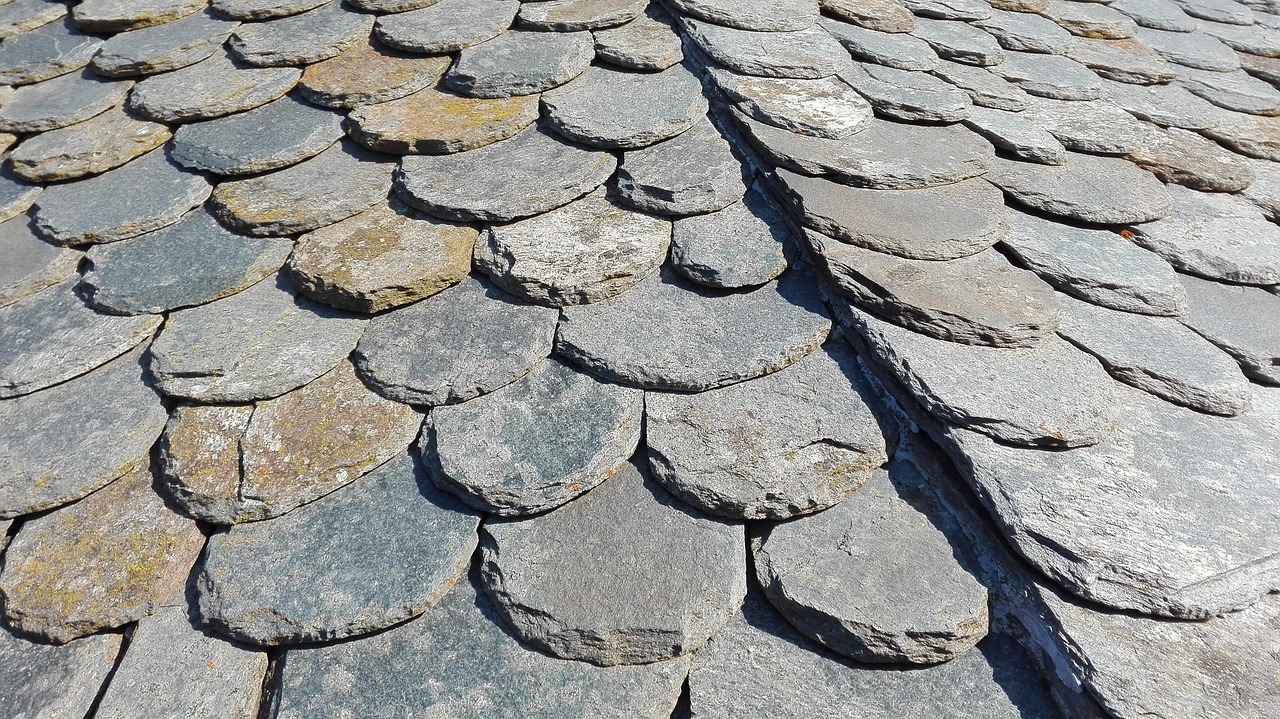
In Tampa, the choice between reflective and non-reflective roof underlayment is a crucial decision, influenced not only by the local climate but also by specific building codes and long-term cost-effectiveness. Understanding these factors is key to ensuring a durable and efficient roof system.
Local regulations play a significant role in Tampa roof underlayment selection. The city's building department dictates minimum standards for roofing materials, including underlayment. Tampa's climate, characterized by high humidity and occasional extreme weather, necessitates underlayments that can withstand these conditions. Non-reflective underlayments, made from materials like felt or synthetic felts, are often preferred for their superior water resistance and breathability. On the other hand, reflective underlayments, incorporating aluminum or other reflective layers, offer added protection against heat absorption, helping to keep the roof space cooler and reducing cooling costs.
When deciding between these options, homeowners and contractors should consider the long-term cost of Tampa roof underlayment replacement. While non-reflective underlayments tend to be more affordable initially, they may require more frequent replacements due to their lower resistance to UV degradation and punctures. Conversely, reflective underlayments, though slightly more expensive upfront, can last longer, potentially reducing the need for frequent repairs and replacements. A qualified contractor, specializing in self-adhering roof underlayment installation Tampa, can provide expert advice tailored to the specific roof type and local conditions.
In problem-solving scenarios, understanding the unique properties of each underlayment type becomes crucial. If a Tampa homeowner experiences persistent leaks despite a newly installed roof, the contractor may diagnose the issue as a faulty underlayment. In such cases, a thorough inspection and the selection of the appropriate underlayment, based on the identified problem, can resolve the issue more effectively. Whether it's a basic repair or a complete roof replacement, choosing the right Tampa roof underlayment is essential to ensure a solid, long-lasting roof system.
Frequently Asked Questions About The Ultimate Comparison: Reflectivity vs. Non-Reflective Roof Underlayment in Tampa
What is the primary difference between reflectivity and non-reflective roof underlayment? Reflective underlayment is designed to reflect heat, helping to keep buildings cooler and reducing energy costs. Conversely, non-reflective underlayment absorbs heat, which can lead to increased energy consumption for cooling. This basic difference has significant implications for the environmental and economic performance of a roof system in the Tampa climate.
Which type of underlayment is better for the Tampa area's hot and humid climate? Non-reflective underlayment may be more suitable for Tampa's climate as it absorbs heat, which can be beneficial in a region with high temperatures and humidity. This can help maintain a more comfortable indoor temperature, reducing the load on air conditioning systems.
Does reflectivity underlayment still offer benefits in a non-desert environment like Tampa? While reflective underlayment may not be as effective in reducing indoor temperatures in Tampa as in drier climates, it can still offer energy savings potential, especially in buildings with significant solar heat gain. Reflective underlayment can extend the life of the roofing system by reflecting UV rays, protecting the shingles from premature degradation.
Are there any local building codes or regulations that dictate the use of reflective or non-reflective underlayment in Tampa? Building codes in Tampa do not explicitly require the use of either type of underlayment. However, they do dictate minimum requirements for roofing materials and systems, and energy efficiency is becoming an increasingly important consideration. It's always a good idea to check with local building departments to understand any evolving regulations.
What is the installation process like for each type of underlayment? Installation times can vary, but most underlayment materials can be installed quickly, with most projects taking one to two days. Reflective underlayment installation may require additional steps to ensure the reflective surface is not damaged during the process. Both types are typically laid down in layers, secured with staples or nails, and covered with a final layer of roofing material.
Can I choose a type of underlayment based on cost alone? While cost is a significant factor in any construction decision, it's not the only one. Both types of underlayment offer unique benefits and should be considered in the context of the building's energy goals, local climate, and long-term maintenance needs. A professional assessment can help determine the best value and performance for your Tampa roof.
The choice between reflectivity and non-reflective roof underlayment in Tampa is a crucial decision that impacts the durability, energy efficiency, and overall performance of your roof. Reflectivity, with its ability to reflect solar heat, offers significant energy savings and can extend the lifespan of your roof in Tampa's warm, humid climate. Non-reflective options, while more affordable, may not provide the same level of protection against heat absorption and moisture build-up, common challenges in the region.
The installation process, whether for reflectivity or non-reflective underlayment, is a critical step that requires professional expertise. Tampa's climate necessitates a robust underlayment system that can withstand the elements. Local regulations and homeowner's insurance policies also play a significant role in guiding your decision.
When selecting a tampa roof underlayment, consider the specific needs of your roof type, climate, and budget. A consumer's guide and product reviews can be invaluable resources. Remember, the goal is to ensure a leak-free, energy-efficient, and long-lasting roof. By understanding the nuances of reflectivity and non-reflective options, you're taking a significant step towards achieving that goal.
In Tampa, choosing the right roof underlayment is a balance between immediate needs and long-term benefits. Reflective underlayments, though more expensive, offer superior heat reflection, energy savings, and mold prevention, ideal for the city's humid climate. Non-reflective options, often more affordable, provide basic water resistance but may require more frequent replacements. Local regulations and building codes dictate standards, and professional installation ensures optimal performance. Regular maintenance, including inspections, repairs, and replacements, is vital for both types, with reflective underlayments needing proper surface preparation and quality materials.