In the humid Tampa climate, a robust roof underlayment is crucial for leak prevention across various roof types. The tampa roof underlayment serves as a critical barrier, protecting homes from the elements and enabling efficient moisture management. However, common issues like poor installation, material defects, and age-related wear can lead to costly repairs. Homeowners often struggle to discern the root causes of underlayment problems, further complicating the process. This article provides a practical guide to tackling these challenges, offering practical insights and expert advice for maintaining a reliable tampa roof underlayment system. From identifying common issues to selecting quality products and finding top-rated professionals, we empower you to ensure your roof's longevity.
- Understanding Tampa Roof Underlayment: Essentials for Beginners
- Common Underlayment Issues in Tampa's Climate
- Diagnosing Problems: Signs Your Underlayment Needs Repair
- Removing Old Underlayment: Safe and Effective Methods
- Choosing the Right Underlayment for Tampa's Conditions
- Installation Best Practices for Optimal Protection
- Maintenance Tips for Long-Lasting Tampa Roof Underlayment
Understanding Tampa Roof Underlayment: Essentials for Beginners
For new homeowners or those unfamiliar with the Tampa market, understanding the crucial role of roof underlayment is essential. Tampa's unique climate, with its humid summers and occasional severe storms, demands a robust protective layer beneath the roof surface to safeguard against leaks and water damage. The right roof underlayment acts as a vital barrier, providing insulation, moisture protection, and a secure base for the final roof covering.
When selecting a Tampa roof underlayment, several key factors come into play. First, consider the type of roof you have-sloped roofs often require different underlayment than flat or low-slope roofs. Local building codes and regulations also dictate choices, ensuring compliance and safety. Top-rated Tampa brands, featured in consumer guides and product reviews, offer a range of options from fiberglass to synthetic membranes, each with its advantages. Synthetic underlayments are known for their superior tear resistance and longer lifespan, while fiberglass is a cost-effective choice that provides excellent insulation.
Professional installation is paramount for a successful Tampa roof underlayment. Leaks can result from improper installation, causing costly damage to your home. That's why engaging the services of highly regarded Tampa contractors specializing in roof underlayment is crucial. These experts will not only install the underlayment correctly but also inspect for any potential issues, ensuring your roof is protected. Regular maintenance, including inspecting for damage or loose underlayment, is also vital, especially after severe weather events. By understanding these basics, Tampa homeowners can ensure their investment in a new or repaired roof is protected by a robust underlayment system.
Common Underlayment Issues in Tampa's Climate
Tampa's unique climate presents specific challenges for roof underlayment, leading to common issues that require expert attention. The region's hot, humid summers and frequent thunderstorms can take a toll on roofing materials, and underlayment is no exception. This critical component, situated between the roof deck and the outer covering, matters in protecting against leaks and moisture damage. However, it can degrade over time, especially when exposed to Tampa's harsh environmental conditions.
One of the primary problems is the rapid deterioration of certain types of underlayment due to UV radiation and high humidity. This is particularly prevalent in areas where older, less durable materials have been used. As a result, Tampa residents may find themselves dealing with leaks and roof damage, which can be costly and time-consuming to repair. A common issue is the failure of paper-based underlayments, which can become brittle and tear easily, leading to water penetration. Inadequate ventilation in attics can accelerate this process, as heat buildup causes the underlayment to dry out and weaken.
To tackle these problems effectively, Tampa homeowners should consider investing in high-quality, durable roof underlayment brands recommended by top-rated professionals in the region. Many of the leading manufacturers offer products designed to withstand the area's specific challenges. Ensuring proper installation and regular maintenance are crucial. This includes checking for any signs of damage or wear and tear and addressing them promptly. 24/7 Tampa emergency roof underlayment services can provide quick repairs to prevent further complications, especially during the rainy season. Homeowners should also review their homeowner's insurance policies regarding roof damage coverage, as this can significantly impact the financial burden of repairs.
Diagnosing Problems: Signs Your Underlayment Needs Repair
Diagnosing problems with your Tampa roof underlayment is crucial, as it forms the critical barrier between your home and the elements. Over time, even the best-installed underlayment can develop issues due to the region's unique climate, including high humidity and frequent storms. The first step in Tampa roof underlayment problem-solving is to identify these problems early on.
One of the most common signs that your underlayment needs repair is visible damage, such as tears, punctures, or missing sections. Reflective vs. Non-reflective underlayment plays a role here; reflective materials tend to be more durable and can often be repaired in place, while non-reflective underlayment may require replacement. Other indicators include mold or mildew growth, especially in low-lying areas or corners where water can pool. This is a clear sign of leak prevention failure and may also indicate a problem with the roof's overall drainage system. If you notice excessive moisture vapor in your attic or hear strange noises coming from there, it could be a result of poor underlayment performance, leading to air and moisture infiltration.
The cost of Tampa roof underlayment replacement varies based on the extent of the damage and the type of underlayment installed. For minor repairs, such as patching a few tears, you can expect to pay around $50-$100 per square foot, while complete replacement may run $200-$400 per square foot or more. Regular maintenance, including inspecting and repairing the underlayment, can extend its life and help avoid costly emergency repairs. Addressing minor issues promptly can prevent larger problems that could lead to significant damage and insurance claims, which, in turn, may not cover the full cost of extensive repairs due to underlayment failure. Therefore, staying vigilant and seeking professional assistance when needed is essential for Tampa roof underlayment problem-solving.
Removing Old Underlayment: Safe and Effective Methods
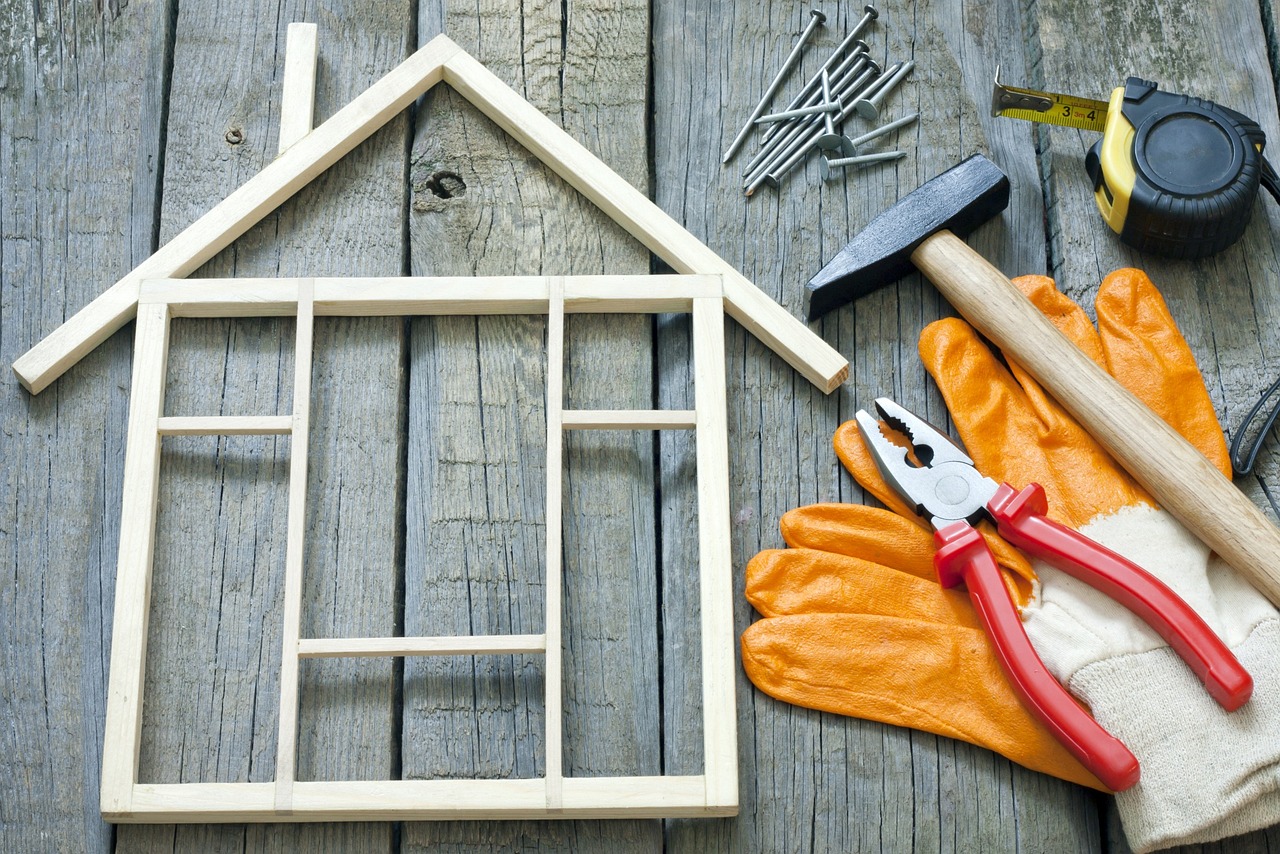
Removing old underlayment is a crucial step in Tampa roof underlayment leak prevention and ensuring the longevity of your roof. This process requires careful consideration to maintain the structural integrity of your Tampa home. When addressing a Tampa roof underlayment issue, it's essential to understand that the method for removing old underlayment varies based on the type of underlayment installed.
Self-adhering roof underlayment, a popular choice for its ease of installation, often requires a more meticulous removal process. Start by thoroughly inspecting the existing underlayment for any signs of damage or degradation. If the underlayment is in good condition, you may be able to peel it back manually, being cautious not to damage the roofing materials beneath. Using a utility knife, cut along the edges to loosen the adhesive, then carefully lift the underlayment away. If the underlayment is heavily adhered or damaged, a more robust tool like a scraper may be necessary. Always wear safety gear, including gloves and eye protection, when handling sharp tools.
In cases where the old underlayment is thoroughly saturated or deteriorated, it may require complete removal and replacement. This process involves removing the damaged underlayment, examining the roof deck for any signs of rot or water damage, and then installing a new layer of quality roof underlayment. It's important to choose an affordable Tampa roof underlayment that suits your climate and roof type. Customer satisfaction surveys consistently highlight the importance of working with top-rated professionals who can provide expert advice and ensure proper installation, contributing to effective leak prevention.
When dealing with any Tampa roof underlayment issues, especially those involving removal, it's crucial to prioritize safety and seek professional guidance if necessary. Proper removal techniques not only ensure the effectiveness of new underlayment but also help in identifying and addressing any underlying roof problems. Remember, homeowner's insurance may cover roof damage caused by water leaks, but only if the underlayment is installed and maintained correctly. Regular inspections and timely repairs, including underlayment replacement, can save you from costly insurance claims.
Choosing the Right Underlayment for Tampa's Conditions
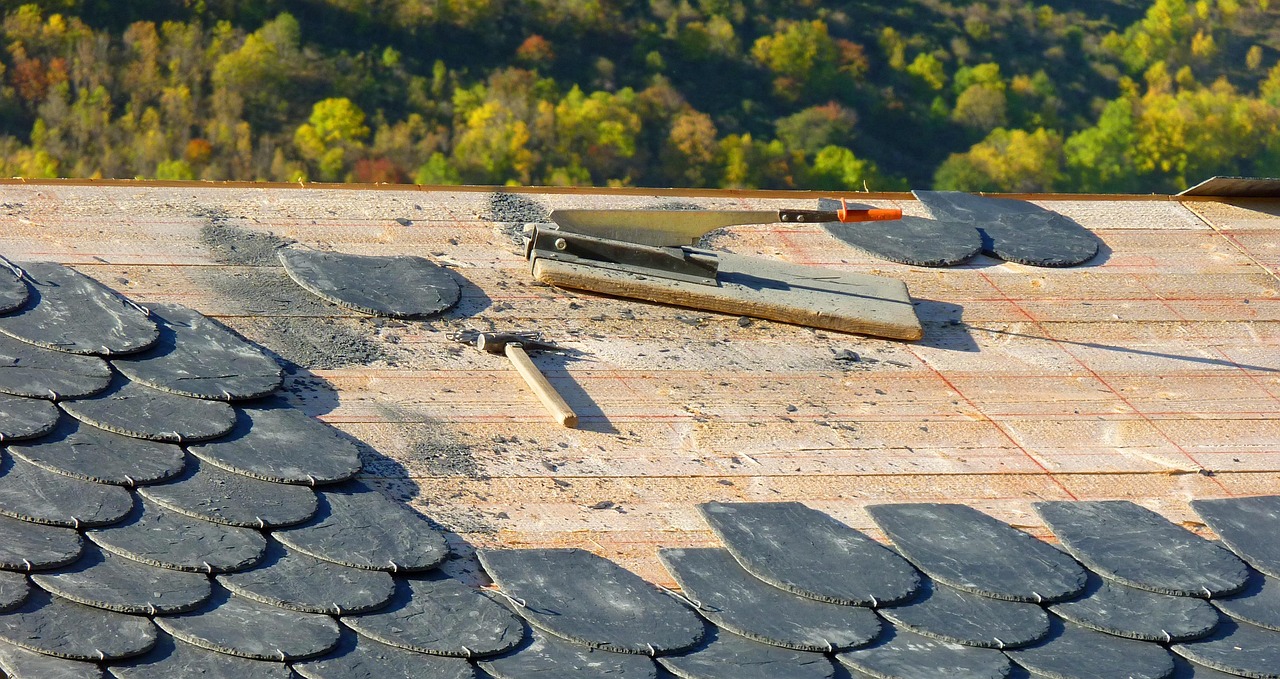
Choosing the right roof underlayment for Tampa's unique conditions is crucial to prevent leaks and protect your investment. The Tampa climate presents specific challenges, with occasional high winds, intense rainfall, and varying temperatures throughout the year. A quality roof underlayment acts as a crucial barrier between your home and these elements, extending the lifespan of your roofing system.
When selecting an underlayment, consider the type of roof you have. Flat roofs in Tampa often require a different underlayment than sloped roofs due to varying wind dynamics. Look for underlayment brands known for their durability and water resistance, ensuring they can withstand the region's conditions. Consumer's guides and product reviews can be invaluable resources to identify affordable Tampa roof underlayment options that balance quality and cost-effectiveness.
Professional installation is key. Engaging top-rated contractors specializing in Tampa roof underlayment problem-solving ensures your underlayment is properly installed, reducing the risk of future leaks. Customer satisfaction ratings and insurance claims data can offer insights into the reliability of these professionals. For emergency repairs or maintenance, having a network of reputable, locally-focused contractors readily available can make all the difference.
Installation Best Practices for Optimal Protection

The Tampa climate presents unique challenges for roof underlayment installation. In this region, roofs often face intense sunlight, high humidity, and frequent storms, making robust protection essential. Quality roof underlayment, carefully installed, acts as a crucial first line of defense against these elements, preventing leaks and prolonging roof lifespan. The science behind Tampa roof underlayment protection involves a strategic layering system that mirrors the region's demanding conditions.
When installing a Tampa roof underlayment, best practices dictate a multi-step approach. First, inspect the roof for any damage or weaknesses. Then, choose an affordable, high-quality underlayment suited to your roof type. Common options include felt, synthetic, and metal underlayments, each offering unique advantages. Synthetic underlayments, often made of fiberglass or polyester, provide superior tear resistance and longer lifespans compared to traditional felt. Proper installation involves securing the underlayment to the roof deck with staples or nails, ensuring it covers the entire surface without overlaps.
A key step in Tampa roof underlayment protection is sealing the edges and seams. This involves using specialized adhesive or tape to create a watertight barrier, preventing water intrusion at crucial points. Contractors specializing in nearby Tampa roof underlayment services can provide expert guidance and ensure these details are executed flawlessly. Regular maintenance, including inspecting for tears or damage, is also vital. By following these best practices, homeowners can expect their Tampa roof underlayment to offer optimal protection, safeguarding their investment and minimizing the risk of costly repairs.
Post-Installation Checks: Ensuring a Solid Roof Foundation
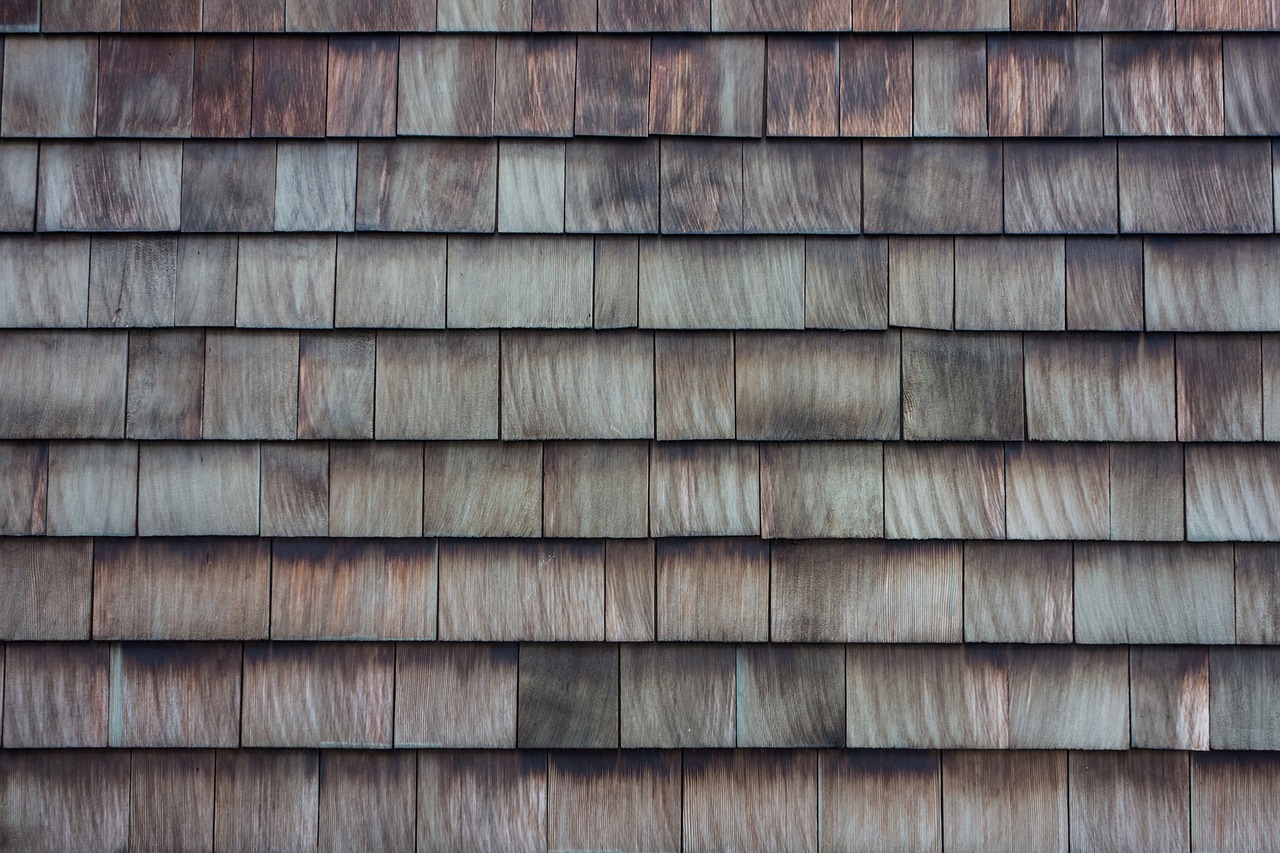
After a roof underlayment installation, a thorough post-installation check is crucial for Tampa homeowners. This audit ensures the underlayment is properly secured, installed according to manufacturer guidelines, and is effective in leak prevention, a critical concern given the Tampa climate's frequent storms and high humidity.
Experienced Tampa roof underlayment contractors will perform a meticulous inspection, checking for any loose or missing materials, proper drainage, and the overall integrity of the system. They'll verify that all seams and joints are sealed and that the underlayment is securely fastened to the roof deck. This process is vital, as even a minor oversight can lead to costly roof problems down the line. An improper installation might result in water penetration, causing damage to the roofing material and potentially leading to mold growth and structural weaknesses.
Homeowners can aid in this process by being proactive. Regularly inspect their roofs after installation and throughout the year, looking for signs of wear and tear. Check for proper ventilation, as inadequate airflow can cause underlayment to become damaged or deteriorate faster. Also, be aware of any changes in your homeowner's insurance policy, especially regarding roof damage coverage. In the event of emergency roof repairs, it's beneficial to have a reliable network of local, top-rated professionals who specialize in underlayment services. Quick response times can limit the extent of damage and the cost of repairs.
Maintenance Tips for Long-Lasting Tampa Roof Underlayment
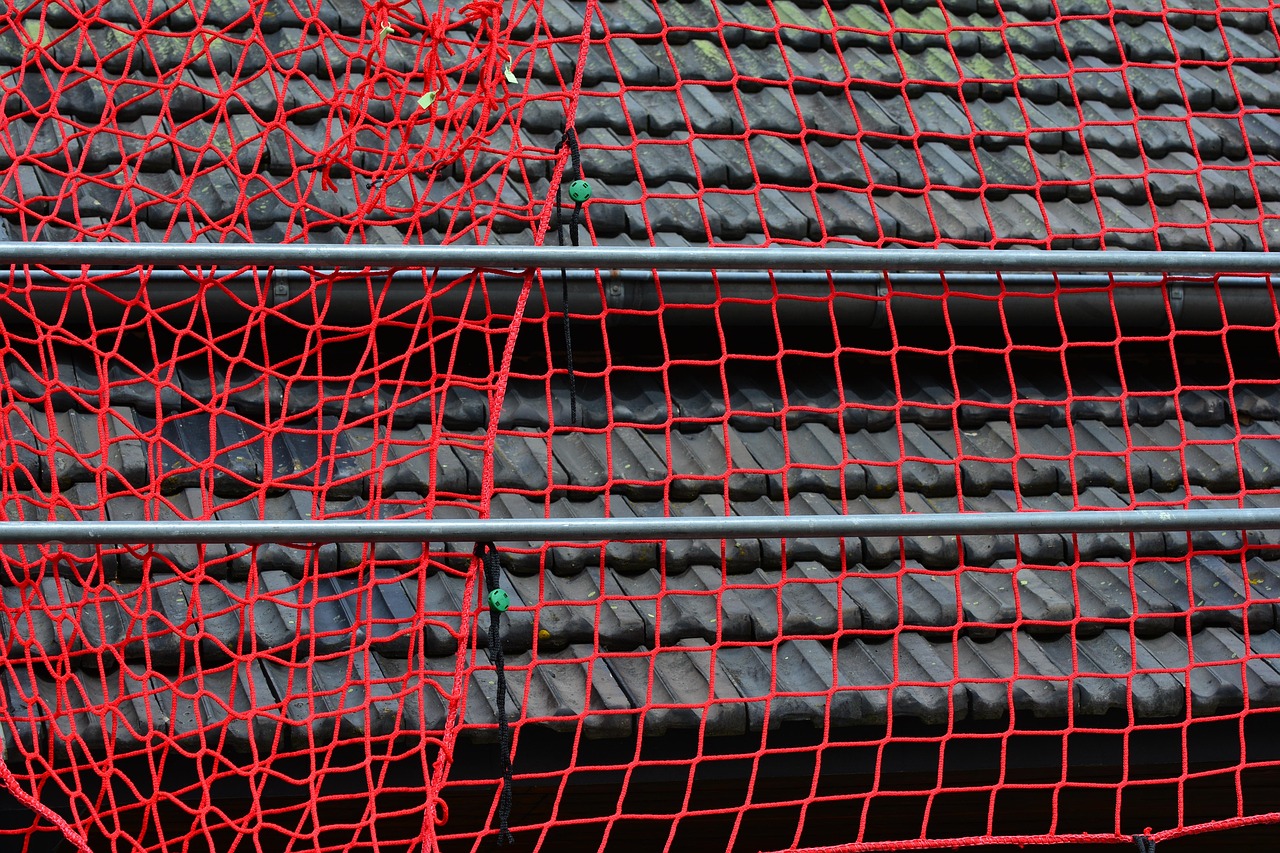
Maintaining your Tampa roof underlayment is crucial to ensuring the longevity of your roof and preventing costly repairs. Regular inspection and prompt addressing of issues are key. A well-maintained underlayment acts as a protective barrier against the harsh Tampa climate, including intense sunlight, high humidity, and frequent storms. Over time, though, wear and tear can occur, leading to leaks and other structural damage.
One of the most effective ways to ensure a durable Tampa roof underlayment is through regular maintenance. This includes checking for any torn or damaged underlayment, repairing or replacing as needed. Inspecting the underlayment for signs of mold or mildew growth, especially in areas with poor ventilation, is also essential. A simple visual check can often reveal problems, but for a thorough assessment, consider enlisting the help of local Tampa roof underlayment experts. They can provide a detailed step-by-step repair guide tailored to your specific underlayment type and your Tampa's unique weather conditions.
Affordable Tampa roof underlayment upgrades can significantly improve your roof's performance. Using high-quality, durable materials can extend the life of your underlayment, protecting your investment. Look for underlayment brands known for their strength and water resistance, and follow the manufacturer's instructions for installation. Remember, a well-maintained underlayment is a sound investment for any Tampa homeowner. It not only safeguards your property from potential roof damage but also ensures peace of mind.
Frequently Asked Questions About Solving Common Roof Underlayment Problems in Tampa
What is the most common cause of roof underlayment issues in Tampa? Roof underlayment problems often stem from inadequate installation, poor quality materials, or exposure to harsh local conditions, such as high humidity and strong winds. Over time, these factors can lead to tearing, water intrusion, and mold growth, necessitating repairs or replacement. Regular maintenance and using durable, locally-suited underlayment materials are key preventive measures.
How can I tell if I have a roof underlayment problem? Signs of trouble include visible tears or holes in the underlayment, water stains on the ceiling or walls, mold growth, or an unexpected increase in energy bills due to poor insulation. A professional inspection is the best way to confirm a problem and identify its source.
What steps should I take if I suspect a roof underlayment issue? First, stop water intrusion by patching obvious holes with a waterproof membrane. Then, consult a licensed roofing contractor who can thoroughly inspect the underlayment, identify the root cause, and recommend the best repair or replacement solution. Acting quickly is crucial to prevent further damage.
How long does it typically take to repair a roof underlayment problem? Most repairs take one to two days, depending on the extent of the damage. This includes time for material procurement, preparation, and installation. Contractors will also ensure proper ventilation and sealing to maintain the integrity of the underlayment.
What types of underlayment materials are best suited for Tampa's climate? In Tampa, choose underlayment materials designed to withstand high humidity and strong winds. Astroturf or synthetic underlayments are popular choices due to their durability and resistance to moisture. These materials also offer superior insulation, helping to regulate indoor temperatures.
Should I replace the entire roof if the underlayment is damaged? Not necessarily. Replacing the entire roof is often more expensive than repairing the underlayment. However, if the underlayment is severely damaged or the roof is old and nearing the end of its lifespan, a full replacement might be more practical and cost-effective in the long run.
How can I prevent future roof underlayment problems? Regular cleaning and inspection, use of high-quality materials, proper ventilation, and sealing around vents and plumbing openings can significantly reduce the risk of underlayment issues. Choosing a reputable roofing contractor for installations and maintenance ensures best practices are followed.
Addressing Tampa roof underlayment issues is crucial for maintaining a robust and secure roof system. By understanding the unique challenges posed by the local climate, homeowners and contractors alike can effectively diagnose and prevent common problems. The article has highlighted the importance of using quality roof underlayment, choosing the right material for Tampa's conditions, and following best installation practices. Safe removal of old underlayment, post-installation checks, and regular maintenance are key steps to ensure a solid roof foundation. With these practical insights, homeowners can take proactive measures, extending the lifespan of their Tampa roof underlayment and safeguarding their properties from costly repairs. This practical guide emphasizes the value of knowledge and preparation in tackling common underlayment problems, ultimately fostering peace of mind for Tampa residents.
Tampa Roof Underlayment: Protecting Your Home from the Elements
Tampa's unique climate demands a robust roof underlayment to guard against leaks and water damage. The right choice, installation, and maintenance are key. Consider roof type and local building codes, opt for top-rated brands, and ensure professional installation. Regular inspections and prompt repairs are vital to protect against costly damage from harsh conditions.