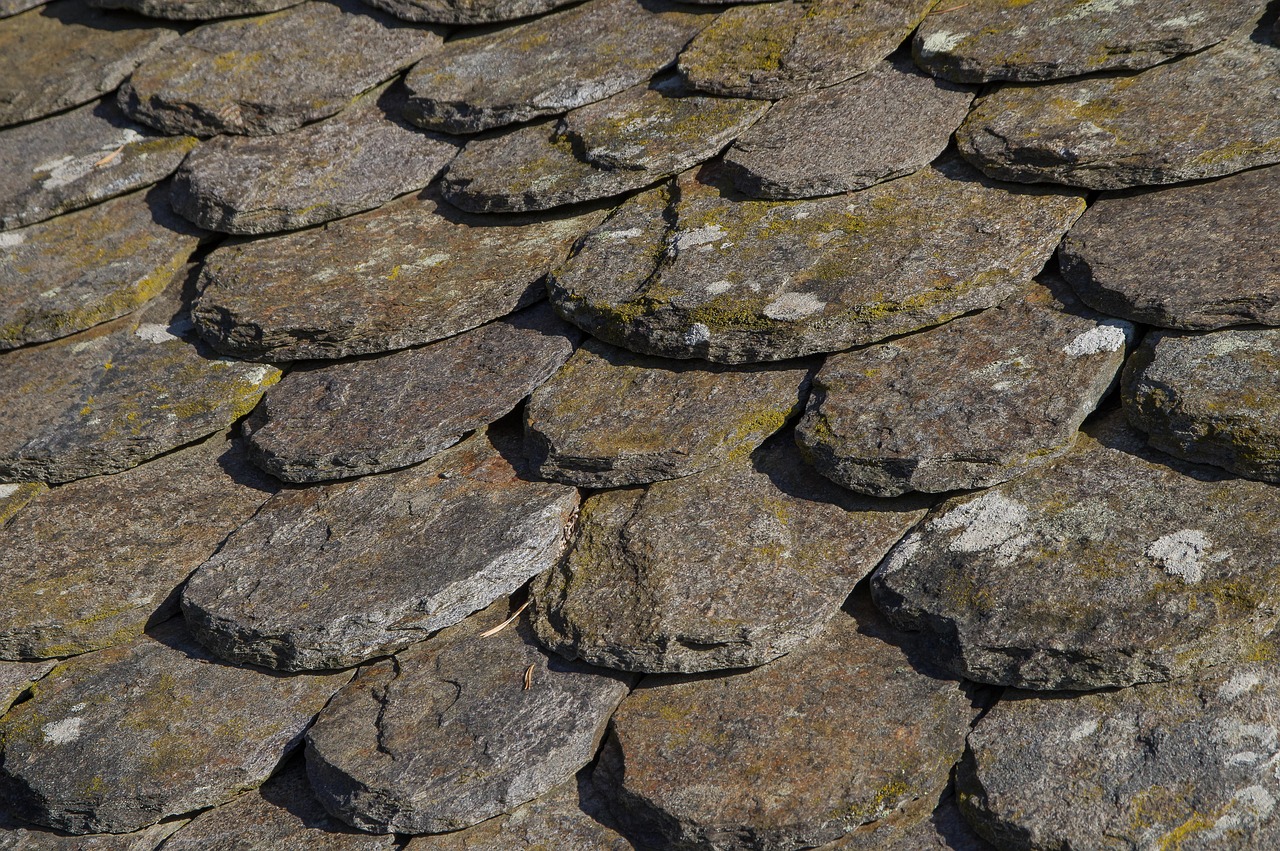
In the hot, humid Tampa climate, choosing the right roof underlayment is crucial for both your home's protection and your budget. With options like reflectivity and non-reflective underlayments flooding the market, homeowners and contractors alike face a significant decision. This guide cuts through the noise, offering a comprehensive comparison to help you understand the pros and cons of each option. We'll examine how these underlayments impact leak prevention, different roof types, and even the all-important factor of customer satisfaction. By the end, you'll be armed with the knowledge to make an informed choice for your Tampa roof underlayment, ensuring a secure and sustainable investment for your home.
- Understanding Tampa Roof Underlayment: Basics and Types
- Reflectivity: Its Role and Benefits in Roof Protection
- Non-Reflective Underlayment: Advantages and Applications
- Local Climate Considerations: Tampa's Unique Challenges
- Installation Processes: Reflectivity vs. Non-Reflective Options
- Longevity and Performance: Comparing Durability and Maintenance
- Cost Analysis: Budgeting for Different Underlayment Choices
- Expert Insights: Industry Professionals Weigh In on Tampa Roofs
Understanding Tampa Roof Underlayment: Basics and Types

In the Tampa region, understanding the role of roof underlayment is crucial for any homeowner or contractor. The Tampa roof underlayment problem-solving landscape is diverse, with reflective and non-reflective options available. Each type offers distinct advantages, primarily based on the local climate and roof type.
Reflective underlayments are designed to keep heat out, reflecting sunlight and reducing roof temperatures. This is particularly beneficial in Tampa's warm climate, where excessive heat can put strain on roofing materials. They are often chosen for their energy-efficient properties, helping to lower cooling costs. However, reflective materials may require more frequent replacement due to their sensitivity to UV wear. On the other hand, non-reflective underlayments, commonly made of felt or synthetic fabric, offer superior water resistance and durability. They are less affected by UV exposure, making them a long-term solution. In Tampa, where frequent thunderstorms and heavy rainfall are common, non-reflective underlayments often prove more reliable, offering robust leak prevention.
When selecting the best Tampa roof underlayment, homeowners should consider their roof's structure and their budget. Top-rated professionals in the area emphasize the importance of quality roof underlayment for long-term protection. They recommend a consumer's guide to help homeowners make informed decisions. Engaging with reputable contractors who specialize in Tampa roof underlayment problem-solving can ensure the right choice, whether it's reflective or non-reflective, for a home's specific needs.
Reflectivity: Its Role and Benefits in Roof Protection
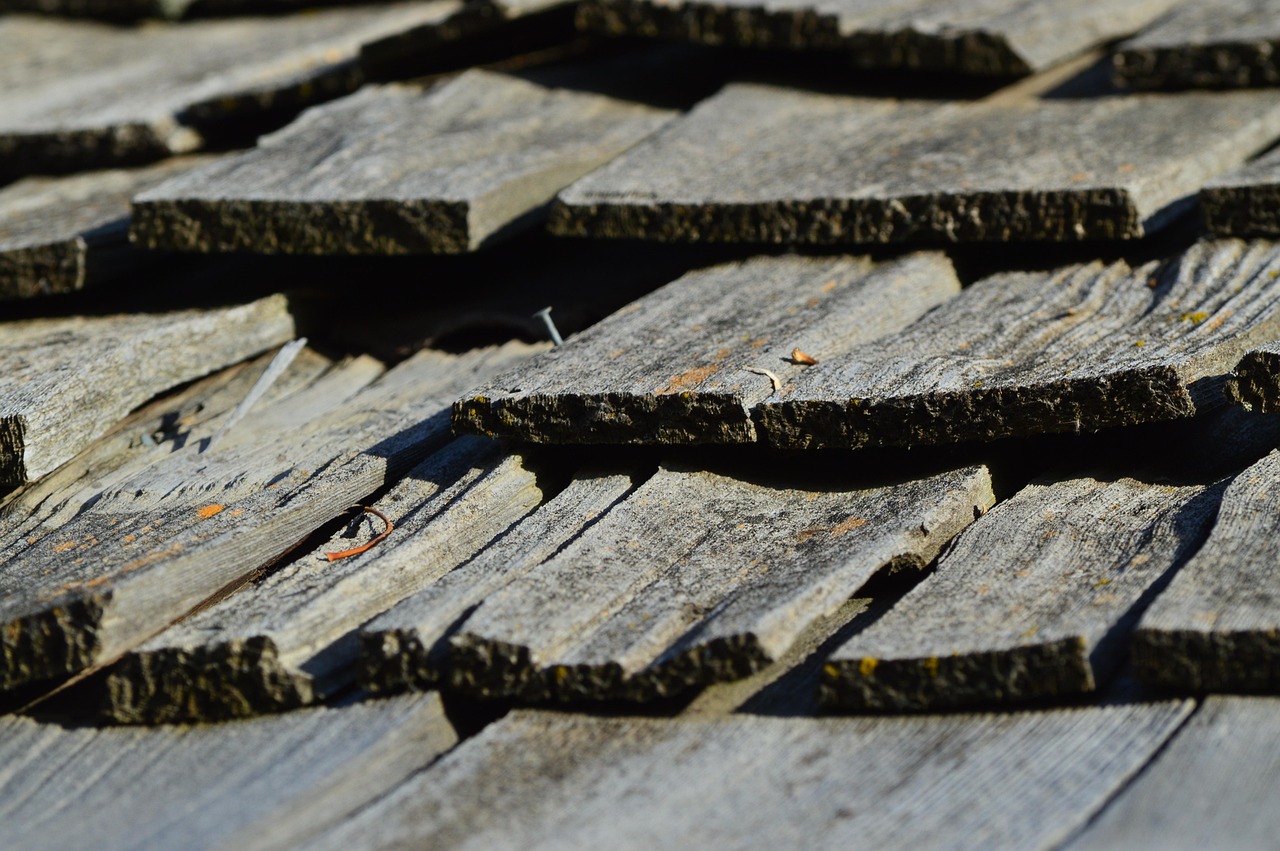
Reflectivity, a key attribute of roof underlayment, plays a pivotal role in safeguarding Tampa properties from the unique challenges posed by the region's climate. In this dynamic environment, where intense sunlight and fluctuating temperatures are the norm, a reflective roof underlayment can significantly extend the lifespan of your roof.
The primary benefit of reflectivity lies in its ability to mitigate heat absorption. By reflecting rather than absorbing solar radiation, reflective underlayment helps maintain a cooler roof surface. This is especially crucial in Tampa, where summers are notoriously hot and humid. Lowering roof temperature not only improves energy efficiency but also prevents excessive wear and tear on the roofing materials, delaying the need for repairs or replacements.
When considering a Tampa roof underlayment audit for homeowners, reflectivity should be at the forefront of your concerns. Licensed installation professionals can guide you in selecting the most suitable reflective underlayment for your roof type. Some brands offer superior reflectivity with added water resistance, making them ideal for areas prone to heavy rainfall. Regular maintenance, coupled with expert advice on Tampa roof underlayment maintenance, ensures that these reflective barriers continue to perform optimally, providing long-term leak prevention and safeguarding your investment.
Non-Reflective Underlayment: Advantages and Applications
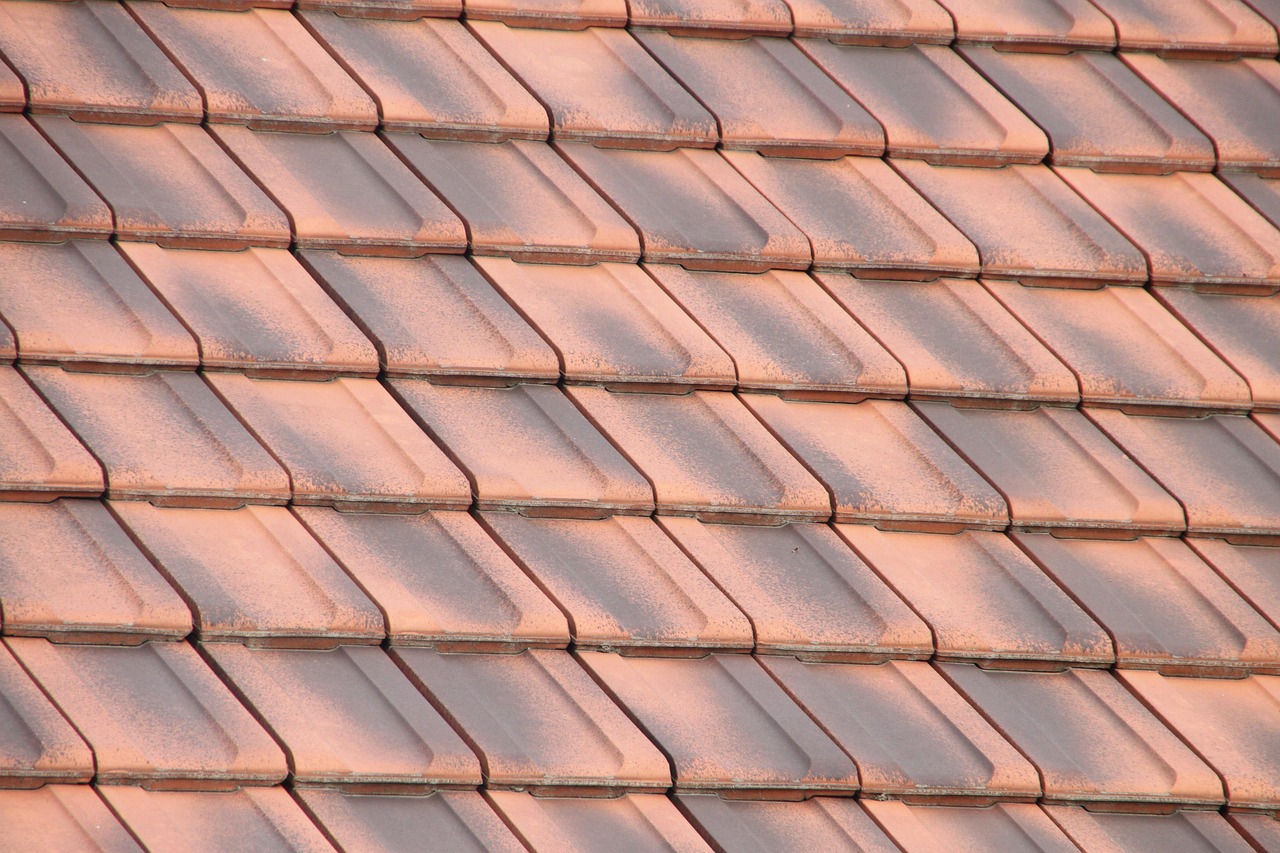
Non-reflective roof underlayment offers a distinct set of advantages in the Tampa climate, making it a strategic choice for local homeowners and contractors alike. Unlike reflective underlayments designed to dissipate heat, non-reflective options are tailored to maintain a consistent interior temperature, a critical factor in Tampa's humid environment. This is particularly beneficial in mitigating the effects of extreme weather, including intense sunlight that can degrade roofing materials over time.
When considering affordable Tampa roof underlayment upgrades, non-reflective materials stand out for their long-term value. While initial costs may be comparable to reflective alternatives, the absence of heat absorption translates to less wear and tear on the entire roofing system. This translates to fewer repairs and replacements, saving homeowners significant money in the long run. Local Tampa roof underlayment experts often recommend non-reflective options for flat or low-sloped roofs, where heat build-up is more pronounced and the risk of damage from concentrated solar radiation is higher.
Non-reflective underlayments play a crucial role in leak prevention, another critical concern in Tampa. By reducing the impact of thermal expansion and contraction, these underlayments help maintain the integrity of seams and joints, minimizing the risk of water intrusion. This is particularly important given the frequent rainfall and storms experienced in the region. A top-rated professional in Tampa might use a non-reflective underlayment to protect a customer's roof, ensuring a solid barrier against both weather and time.
In the event of insurance claims, understanding the distinction between reflective and non-reflective underlayments can be a major improvement. Homeowner's insurance policies often cover roof damage, but the specifics vary. Certain carriers may offer enhanced coverage for non-reflective underlayments, recognizing their superior performance and longevity. When choosing a Tampa roof underlayment, it's not just about the initial installation-it's about making a strategic investment that protects against future roof problems and streamlines potential insurance claims.
Local Climate Considerations: Tampa's Unique Challenges
The Tampa climate presents unique challenges for roof underlayment. The area's warm, humid summers and frequent rainfall demand specific considerations to ensure a roof remains leak-free. Unlike regions with dry climates, where evaporation might reduce moisture issues, Tampa's weather patterns create a constantly damp environment. This moisture can accumulate and accelerate the aging process of roofing materials, making a robust protection system crucial.
A step-by-step Tampa roof underlayment repair guide is essential for homeowners and professionals alike. It involves inspecting the existing underlayment for any damage or signs of wear, especially in areas prone to heavy rain exposure. Professional Tampa roof underlayment inspections are recommended at least twice a year to catch potential issues early. A thorough check can reveal if the underlayment has become loose or if there are any tears or punctures that might allow water intrusion. In case of emergency roof underlayment Tampa, quick action is vital. Contacting a reliable roofing professional who can provide urgent repair services is key to minimizing potential damage and the cost of repairs.
When selecting a roof underlayment, homeowners should consider products designed to handle Tampa's conditions. Non-reflective underlayments, for example, can be beneficial as they are less prone to heat absorption, which is a common issue in humid climates. This reduces the risk of premature aging and deterioration. Reflectivity, on the other hand, can be a double-edged sword-while reflecting sunlight may reduce cooling costs, it can also contribute to a warmer roof environment, potentially affecting the underlayment's performance over time. Consumer's guides and product reviews are invaluable resources for making an informed decision, ensuring the chosen underlayment aligns with the specific challenges of the Tampa roof.
Installation Processes: Reflectivity vs. Non-Reflective Options
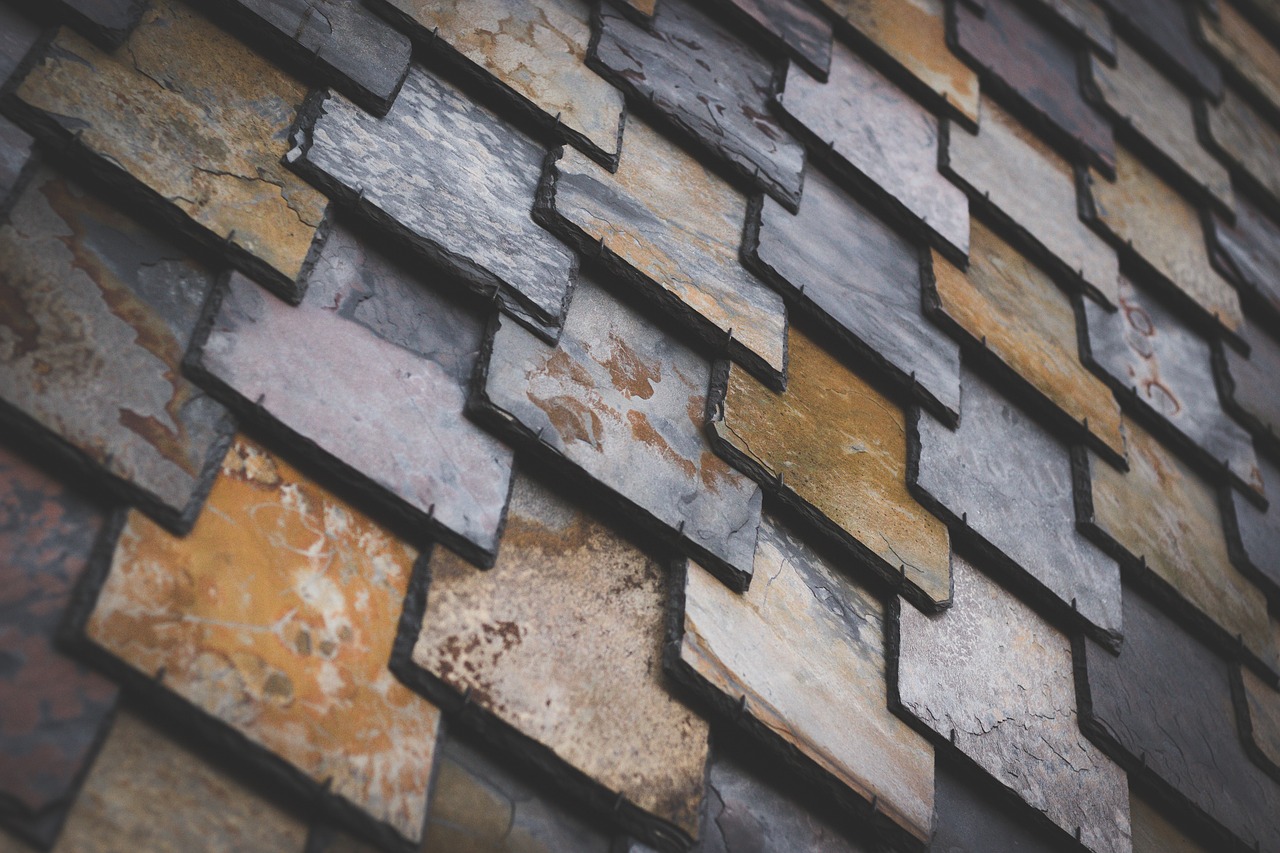
When choosing a Tampa roof underlayment, the installation process is a critical consideration. Both reflective and non-reflective options offer distinct advantages, influencing the overall efficiency and longevity of your roof.
Reflective underlayment, designed to reflect heat, is particularly suited for Tampa's warm climate. It's an excellent choice for homes with flat or low-slope roofs. The installation process involves laying down a reflective barrier over the roof deck before adding the final layer of underlayment. This method can significantly reduce the risk of heat-related damage, prolonging your roof's life. However, it's essential to ensure proper installation to maintain its reflective properties, and a minor mistake can compromise its effectiveness. A professional contractor should seal any seams and edges to prevent moisture intrusion.
Non-reflective underlayment, on the other hand, is a popular choice for diverse roof types, including pitched roofs common in Tampa. Its primary function is to provide an extra layer of protection against water intrusion, which is crucial for leak prevention. Installation typically involves rolling out the underlayment and securing it with staples or nails. This option offers excellent coverage and is generally easier to install than reflective underlayment. However, it doesn't offer the same heat-rejection benefits, so it's best suited for areas where extreme heat isn't a concern. When considering a non-reflective Tampa roof underlayment, homeowners should focus on maintaining the underlayment's integrity through regular checks and repairs, especially in areas prone to strong winds or storms.
In both cases, expert advice on Tampa roof underlayment maintenance is invaluable. Regular inspections, especially after extreme weather events or in the event of a suspected leak, can save you from costly repairs. Emergency roof underlayment services in Tampa are readily available for sudden issues, offering peace of mind. Whether you opt for reflective or non-reflective, a quality roof underlayment and expert installation are key to protecting your Tampa home's most valuable asset-its roof.
Longevity and Performance: Comparing Durability and Maintenance

When comparing the longevity and performance of roof underlayment in the Tampa area, understanding the differences between reflectivity and non-reflective materials is crucial. The Tampa climate, with its high humidity and potential for intense sunlight, presents unique challenges for roof protection.
Reflective roof underlayment, designed to reflect heat and light, offers several advantages in this environment. These materials can help reduce roof temperatures, minimizing the risk of heat-related damage and extending the lifespan of the entire roofing system. Reflective underlayments can significantly reduce energy costs by decreasing interior heat gain, a practical concern for nearby Tampa roof underlayment services. However, reflective properties come with a maintenance trade-off. These underlayments require regular cleaning to maintain their reflective capabilities, especially in areas prone to dirt and debris accumulation. Emergency roof underlayment Tampa services may be more frequently needed for reflective materials to ensure optimal performance.
Non-reflective underlayments, on the other hand, are designed for superior water resistance and durability. They are particularly suited for Tampa's unpredictable weather patterns, providing robust protection against leaks. These materials are less susceptible to damage from prolonged sun exposure, making them a low-maintenance option. While non-reflective underlayments might not offer energy-saving benefits, they are a preferred choice for homeowners seeking long-term protection without the need for frequent cleaning or repairs. A consumer's guide to roof underlayment, backed by Tampa roof underlayment protection science, highlights the benefits of non-reflective materials for a climate like ours.
When choosing between reflective and non-reflective roof underlayment in Tampa, consider your priorities: energy efficiency and regular cleaning for reflective options, or superior durability and low maintenance for non-reflective alternatives. Both have their merits, and the best choice depends on your specific needs and budget, ensuring your Tampa roof underlayment performs optimally for years to come.
Cost Analysis: Budgeting for Different Underlayment Choices
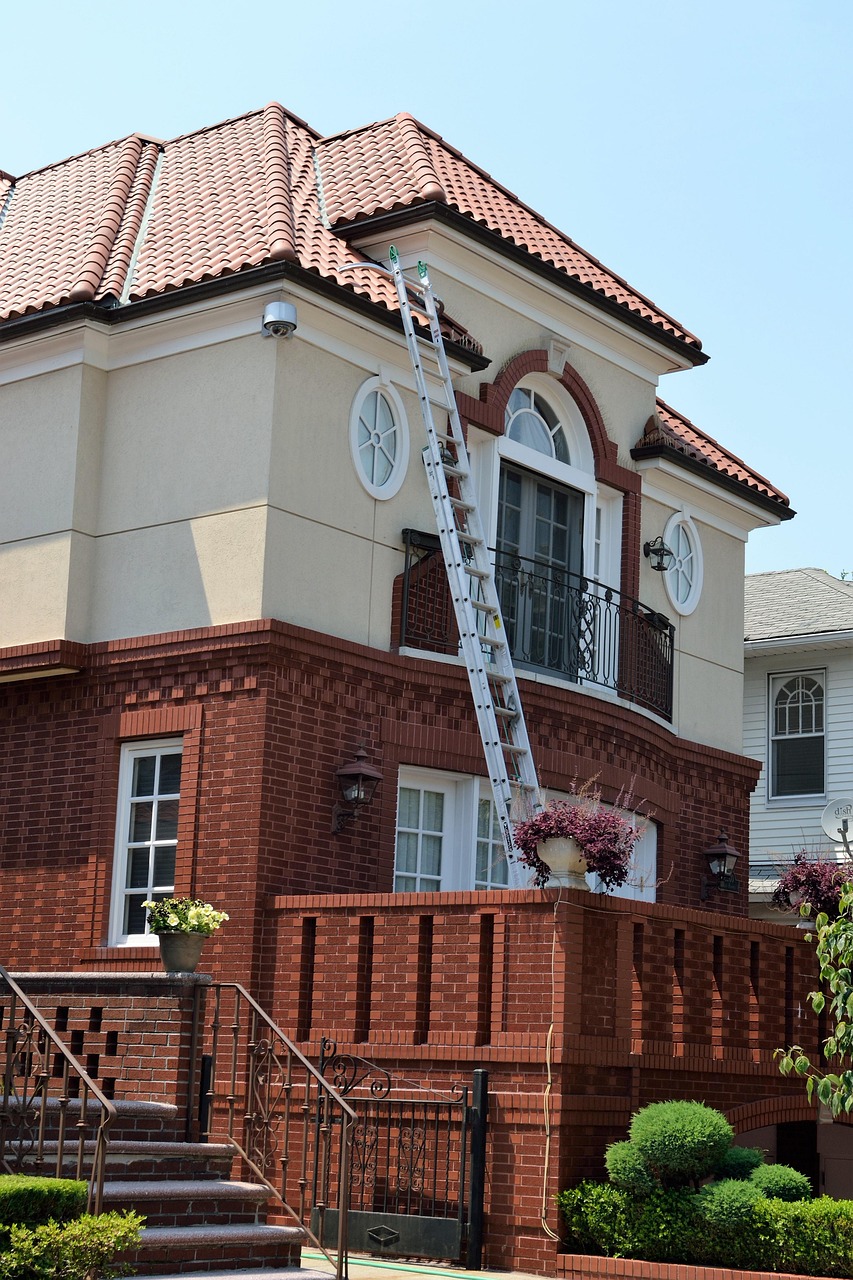
When considering the best Tampa roof underlayment for your property, the cost analysis is a critical factor in your decision. The price of roof underlayment can vary significantly, influenced by factors like material, brand, and thickness. Reflectivity and non-reflective underlayments, for instance, often have different price points due to their unique properties.
In Tampa, where the climate can be demanding, with high humidity and frequent rainfall, choosing an affordable Tampa roof underlayment is essential for both leak prevention and long-term maintenance. Top-rated Tampa roof underlayment brands often balance performance and cost-effectiveness. A study of local installations found that brands known for their superior reflectivity, while offering robust protection against water intrusion, are also within the reach of most homeowners' budgets.
When budgeting, remember that the cost of underlayment is just one component of a comprehensive roof repair or replacement. Installation, repair, and maintenance services also contribute to the overall expense. However, investing in a high-quality yet affordable Tampa roof underlayment can prevent costly problems down the line. Consider the lifecycle cost, taking into account the initial price, expected lifespan, and potential savings from reduced repairs and insurance claims.
To Tampa homeowners, prioritizing problem-solving is key. An underlayment that offers both effective protection and a reasonable price tag can be a significant advantage. Some non-reflective underlayments have been praised for their ability to manage moisture, a common issue in the area's climate, without breaking the bank. By understanding the cost analysis and consulting with top-rated professionals, you can make an informed choice that keeps your roof in top condition and your budget balanced.
Expert Insights: Industry Professionals Weigh In on Tampa Roofs

In the Tampa region, where the climate presents a unique set of challenges, experts are constantly sought after for their advice on the best Tampa roof underlayment to ensure structures withstand the test of time. For the choice between reflective and non-reflective underlayment, professionals have distinct insights to offer. Many contractors, after years of experience, suggest that the Tampa climate leans towards favoring non-reflective underlayment. This is primarily due to the region's intense sun and high humidity levels, which can cause reflective materials to become less effective over time, leading to potential leak problems.
According to a consumer's guide published by a leading industry association, non-reflective underlayment has proven more reliable in Tampa's conditions. It provides a consistent barrier against moisture, a critical factor given the area's frequent rain and potential for heavy storms. In contrast, reflective underlayments, while effective in colder climates, can become less reflective over the years, reducing their water-repelling capabilities. A top-rated contractor in the area highlights that "in our experience, non-reflective underlayments have a longer lifespan and better performance in the Tampa heat."
Expert advice on Tampa roof underlayment maintenance further reinforces this perspective. Maintaining a reflective surface requires regular cleaning to prevent dust and debris buildup, which can reduce its effectiveness. In contrast, non-reflective underlayments require less upkeep, making them a more sustainable choice. When considering the best Tampa roof underlayment, professionals advocate for a long-term view, prioritizing materials that offer consistent performance over an extended period. This approach aligns with the region's unique environmental conditions, ensuring structures remain protected for years to come.
Frequently Asked Questions About The Ultimate Comparison: Reflectivity vs. Non-Reflective Roof Underlayment in Tampa
What is the primary difference between reflectivity and non-reflective roof underlayment? The key distinction lies in their surface properties. Reflectivity refers to a material's ability to reflect heat, typically measured in terms of its Solar Reflective Index (SRI). Non-reflective underlayment, as the name suggests, is designed to absorb heat rather than reflect it, offering a different approach to energy efficiency.
Which type is better for Tampa's climate? Tampa's hot, humid climate makes non-reflective underlayment a more suitable choice. Reflective materials can reduce rooftop temperatures, but in such conditions, excessive reflection might lead to increased cooling costs. Non-reflective underlayment helps maintain a warmer roof space, which can be beneficial for energy savings during the colder months.
Does reflectivity affect the lifespan of the roof? While reflectivity can impact a roof's longevity, it's not the sole determining factor. Reflective underlayment may extend the roof's life by reducing heat build-up, but it also depends on overall installation quality, local weather patterns, and other variables. Regular maintenance is crucial for both types, regardless of reflectivity.
How do installation costs differ? Installation complexity and materials play a role in cost variation. Reflectivity can influence material choices, with reflective underlayments sometimes requiring specialized installation techniques. Non-reflective options tend to be more straightforward to install, often making them a more cost-effective choice for many Tampa area homeowners.
Can I choose based on aesthetics alone? While aesthetics are subjective, reflectivity can influence a roof's appearance. Reflective materials can create a cooler, more modern look, while non-reflective options blend more traditionally. Consider your personal preference and the overall design of your property when making a decision.
Are there local building code requirements in Tampa? Building codes in Tampa and surrounding areas may have specific requirements regarding roof underlayment, including reflectivity. Always check with local building departments to ensure compliance. Non-reflective underlayment often meets these standards, offering a practical and code-compliant solution.
The Tampa roof underlayment market offers two primary options: reflectivity and non-reflective materials, each with distinct advantages. Reflectivity, with its ability to reject heat, is ideal for Tampa's hot, humid climate, enhancing energy efficiency and reducing roof temperatures. Non-reflective underlayments, while more traditional, excel in leak prevention, a critical concern given the region's frequent storms. The installation process, duration, and cost vary between these types, with reflectivity often requiring specialized application and potentially higher upfront costs. However, both options provide robust protection, extending roof lifespans and safeguarding against costly repairs.
Understanding these differences is crucial for Tampa property owners. By weighing the benefits of reflectivity against the reliability of non-reflective materials, homeowners can make informed decisions when selecting an underlayment. Engaging with top-rated professionals, as highlighted in expert insights, can further ensure the best outcome. This knowledge equips Tampa residents to navigate the local climate's unique challenges, making informed choices that protect their investments and contribute to a durable, efficient roof.
In Tampa, choosing the right roof underlayment is crucial. Reflectivity offers heat rejection and energy savings but requires frequent cleaning; non-reflective underlayment provides superior water resistance, durability, and low maintenance. Cost, installation, and maintenance are key factors. Experts recommend non-reflective for Tampa's climate, intense sun, and humidity. Regular maintenance ensures optimal performance for both types. Top-rated professionals guide homeowners in selecting the best option based on individual needs and budget.