In the scorching Tampa climate, choosing the right roof underlayment is crucial for protecting your home from the elements and preventing costly leaks. Whether you're a homeowner facing roof problems or a contractor looking for the best solution, understanding the difference between reflectivity and non-reflective underlayment is essential. This practical guide examines the pros and cons of each type, considering the local conditions and needs of Tampa roof underlayment installations. By the end, you'll have the knowledge to make an informed decision, ensuring your roof stands strong against Florida's weather.
- Understanding Tampa Roof Underlayment Basics
- Reflectivity: The Cool Choice for Tampa Climates
- Non-Reflective Underlayment: Heat Rejection Tactics
- Installation Comparisons: Reflectivity vs. Non-Reflective
- Cost Analysis: Budgeting for Different Underlayments
- Durability and Longevity: A Lifespan Comparison
- Environmental Impact: Green Considerations in Tampa
- Expert Insights: Choosing the Right Tampa Roof Underlayment
Understanding Tampa Roof Underlayment Basics
The Tampa climate presents unique challenges for roof protection. Understanding the role of roof underlayment is crucial for any homeowner. In this context, both reflectivity and non-reflective underlayments offer distinct benefits, each with its own set of considerations.
Quality roof underlayment acts as a crucial barrier against moisture intrusion, a common cause of Tampa roof damage. It provides an additional layer of protection beneath the shingles, preventing leaks and extending the lifespan of the entire roof system. When selecting an underlayment, homeowners in Tampa face a choice: reflectivity or non-reflective. Reflectivity refers to the material's ability to reflect heat, potentially reducing cooling costs. However, in our region's warm climate, the benefits of reflectivity may not outweigh the added cost. Non-reflective underlayments, while potentially less expensive, may not offer the same level of energy efficiency.
For homeowners seeking immediate relief from a roofing issue, a same-day Tampa roof underlayment repair can be a valuable option. A top-rated professional can assess the problem and provide a solution, ensuring minimal disruption. Regular audits are also recommended, especially for older roofs. A step-by-step Tampa roof underlayment repair guide can empower homeowners to identify potential issues and make informed decisions. By understanding the various types of underlayment and their pros and cons, Tampa residents can make a well-informed investment in their home's protection.
Reflectivity: The Cool Choice for Tampa Climates
Reflectivity is a key property that makes certain types of roof underlayment stand out as a superior choice for the Tampa climate. In this region, where temperatures can soar, a reflective underlayment plays a crucial role in keeping homes cool and energy-efficient. Unlike non-reflective options, reflective roof underlayments are designed to reflect a significant portion of the sun's radiant heat, reducing the heat transfer into the building structure. This is particularly important in Tampa, where homes are often exposed to intense sunlight for extended periods.
The Tampa climate presents unique challenges for roofing. High humidity and frequent rainfall, coupled with intense summer heat, can accelerate the degradation of traditional underlayments. This is where reflective underlayment brands shine. These products are engineered with advanced reflective technologies, often incorporating reflective aluminum foils or special reflective coatings. Self-adhering roof underlayment installation in Tampa has become a popular choice due to its ease of application and superior reflective properties. By choosing an affordable Tampa roof underlayment with high reflectivity, homeowners can significantly lower their energy bills and extend the lifespan of their roofs.
For damage insurance, reflective underlayment can also provide added peace of mind. Many homeowner's insurance policies cover roof damage caused by extreme weather events, such as hurricanes or storms. However, the effectiveness of this coverage depends on the quality of the roof underlayment. High-reflectivity underlayments can help prevent damage in the first place by reflecting heat and reducing the risk of excessive moisture buildup, which is a common cause of roof leaks. This, in turn, may reduce the likelihood of costly insurance claims. By combining a top-rated, reflective underlayment with proper installation and regular maintenance, Tampa homeowners can ensure their roofs are protected against both the elements and the financial burden of extensive repairs.
Non-Reflective Underlayment: Heat Rejection Tactics
The Tampa climate presents unique challenges for roof underlayment. For non-reflective underlayment, heat rejection is paramount. Local Tampa roof underlayment experts emphasize the importance of selecting materials that can effectively manage solar heat gain, a critical aspect often overlooked. The science behind Tampa roof underlayment protection involves understanding how different materials interact with the intense Florida sun.
Non-reflective underlayments, as the name suggests, are designed to absorb rather than reflect sunlight. This is crucial because reflected heat can significantly increase interior temperatures, leading to higher energy consumption for cooling. Top-rated professionals in the Tampa area often recommend non-reflective underlayments for hot-climate installations. These underlayments are engineered with special coatings or technologies that minimize heat transfer, offering a more energy-efficient solution.
A professional Tampa roof underlayment inspection is key to ensuring optimal performance. Experts suggest inspecting underlayments regularly for any signs of damage, such as tears or loose edges. Regular maintenance can extend the lifespan of your underlayment, providing ongoing protection against leak prevention, a critical aspect in Tampa's frequent rain and thunderstorms. A thorough inspection may reveal areas where the underlayment needs to be re-sealed or reinforced, ensuring the structural integrity of your roof.
Installation Comparisons: Reflectivity vs. Non-Reflective
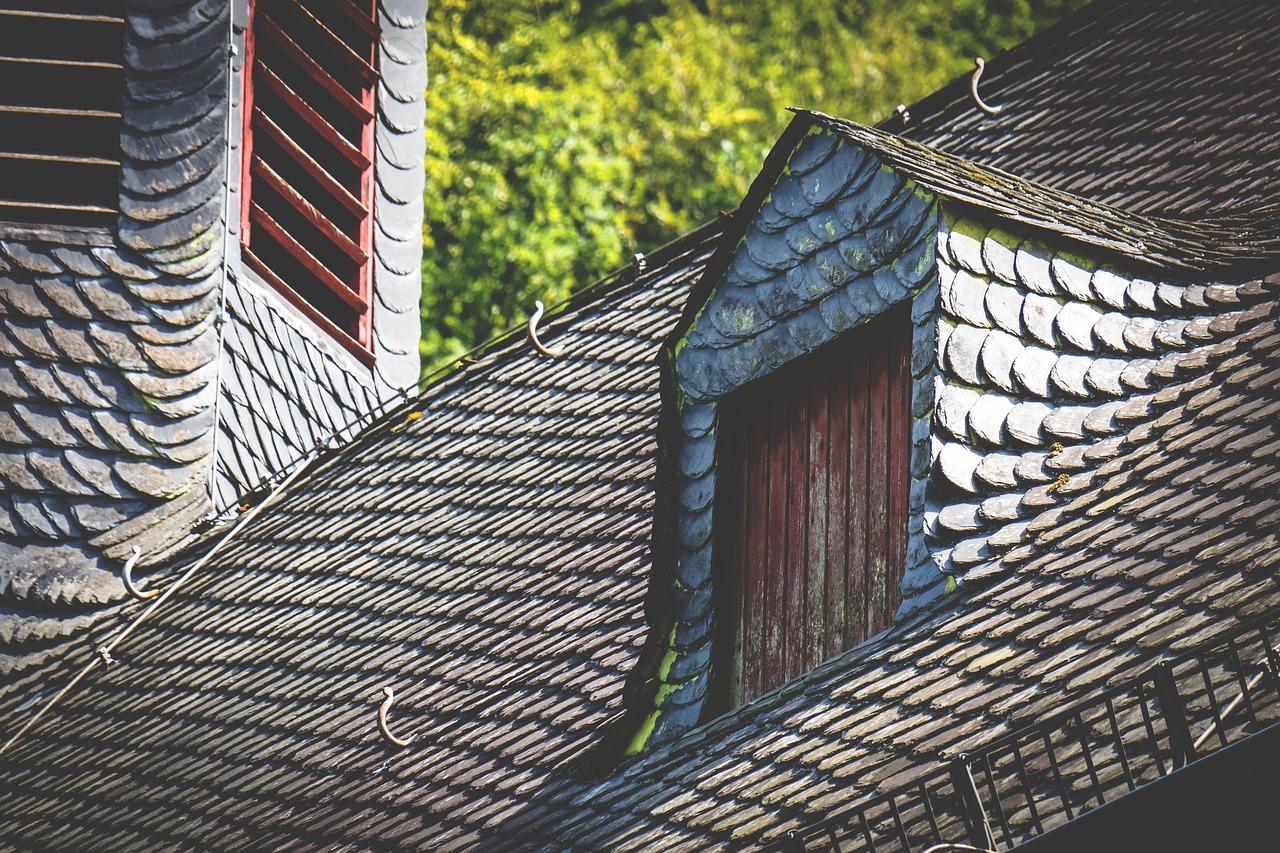
When comparing reflectivity and non-reflective roof underlayment for your Tampa property, the installation process plays a critical role in long-term performance and energy efficiency. Both types have their merits, but certified Tampa roof underlayment installation experts can help you make the best choice based on your specific needs and local climate.
Reflective underlayments, often made of aluminum or foil, are designed to reflect heat, helping to keep your home cooler and reducing energy costs. They are lightweight, easy to install, and highly reflective, making them popular in regions with warm climates. However, their reflective surface can make them more prone to damage from foot traffic and debris, and they may not offer the same level of protection against moisture intrusion as their non-reflective counterparts.
Non-reflective underlayments, on the other hand, are made from materials like fiberglass or asphalt. They offer superior durability and protection against leaks and moisture damage, which is crucial in Tampa's humid climate. While they may not be as energy-efficient as reflective options, their long-term performance and resistance to wear and tear make them a preferred choice for many reliable Tampa roof underlayment companies. Certified installation ensures proper lapping and sealing, which is essential for preventing leaks and maintaining the structural integrity of your roof.
When comparing brands, consider reading consumer guides and checking contractor reviews to find the best Tampa roof underlayment for your climate. Top-rated professionals often recommend non-reflective options for their durability and performance in the region's unique conditions. The choice depends on balancing energy efficiency with long-term reliability. By understanding the pros and cons of each type, you can make an informed decision and ensure your Tampa roof underlayment installation is carried out to the highest standards.
Cost Analysis: Budgeting for Different Underlayments
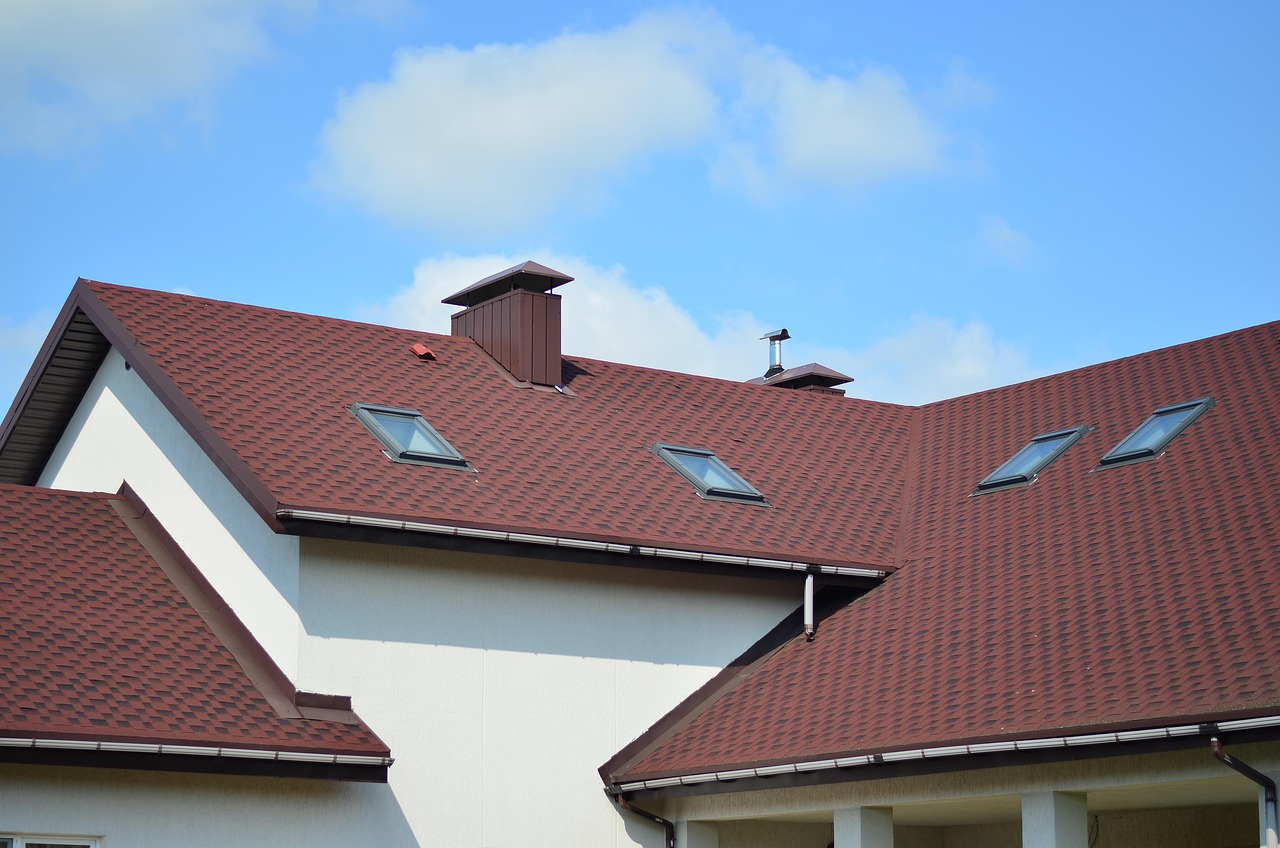
When budgeting for a new roof or considering repairs, understanding the cost implications of different types of roof underlayment is crucial. In Tampa, where the climate presents unique challenges, the choice between reflectivity and non-reflective underlayment can significantly impact your wallet. Let's examine the financial aspects, considering installation, maintenance, and potential future repairs.
Reflective underlayments, designed to reflect heat, are a popular choice in Tampa due to their energy-saving properties. These materials often come with a premium price tag, reflecting their advanced technology. Installation costs can vary, but expect to pay a bit more for reflective options as they require specialized skills and equipment. A typical installation might range from $1.50 to $2.50 per square foot, with higher prices for complex roofs. Over time, reflective underlayments can provide long-term savings on energy bills, potentially offsetting the initial investment.
On the other hand, non-reflective underlayments are a more conventional choice, typically made from asphalt or foam. These materials are generally more affordable, with installation costs usually lower than their reflective counterparts. A standard installation might cost around $1 to $1.50 per square foot. While they lack the energy-efficient benefits, non-reflective underlayments offer reliability in preventing leaks.
In the event of replacement, the cost depends on the extent of the damage and the type of underlayment. In Tampa, a typical roof underlayment replacement can range from $5 to $15 per square foot. Homeowners should also factor in the cost of emergency repairs, which can be substantial. Expert advice suggests that regular maintenance, including inspecting and repairing any damage, is crucial to avoid costly surprise repairs. A consumer's guide to nearby Tampa roof underlayment services can be an invaluable resource for understanding the local market and ensuring quality workmanship.
Durability and Longevity: A Lifespan Comparison
When comparing the durability and longevity of roof underlayment in Tampa's unique climate, the choice between reflective and non-reflective options is crucial. Let's examine the lifespan of these materials, keeping in mind that a licensed Tampa roof underlayment installation is key to ensuring optimal performance.
Reflective underlayment, designed to reflect heat, is known for its ability to mitigate heat transfer and reduce roof temperatures. However, this very characteristic can make it more susceptible to UV degradation over time. The Tampa climate, with its high humidity and frequent sun exposure, can accelerate the aging process of reflective materials. Reflective underlayments may require more frequent repairs and replacements, as their reflective coating can wear off, leading to increased leak potential.
Non-reflective underlayment, on the other hand, is formulated to absorb heat, providing better insulation and a longer lifespan in the Tampa market. This type is less affected by UV exposure, making it a more durable choice for our region. A step-by-step Tampa roof underlayment repair guide can help homeowners and contractors extend the life of non-reflective underlayments, which often prove more cost-effective in the long run. Regular cleaning to remove dirt and debris can prevent moisture build-up, a leading cause of underlayment damage.
When considering the 24/7 Tampa emergency roof underlayment services available, it's evident that non-reflective underlayments often lead to fewer, less urgent repair needs. While both types have their merits, the climate in Tampa leans towards favoring non-reflective underlayment for its superior durability. This longevity translates to reduced maintenance costs and peace of mind, making it a smart investment for any Tampa property owner.
Environmental Impact: Green Considerations in Tampa

When considering Tampa roof underlayment, especially in our region's unique environment, the topic of sustainability and green building practices is paramount. The choice between reflective and non-reflective underlayment can significantly impact both the performance of your roof and its environmental footprint. Let's explore how these options stack up for leak prevention, damage insurance, and the potential for same-day repairs, keeping Tampa's green considerations in mind.
Reflective roof underlayment, designed to reflect heat, can be an effective solution for Tampa's warm climate. By reflecting sunlight, it helps lower roof temperatures, reducing the load on air conditioning systems. However, in terms of environmental impact, reflective materials can have a higher manufacturing carbon footprint due to the energy-intensive processes involved. On the other hand, non-reflective underlayment, while absorbing heat, does not offer the same energy-saving benefits. Yet, its production typically has a lower carbon footprint, making it a more environmentally friendly choice. In cases of minor leaks, non-reflective underlayment's quick drying properties can prevent water damage, potentially reducing the need for extensive repairs.
Tampa's unpredictable weather can lead to unexpected roof damage, which is why having robust leak prevention measures is crucial. Both types of underlayment can contribute to Tampa roof underlayment leak prevention, but non-reflective options often excel in this area due to their superior water resistance and durability. In the event of a severe storm, a top-rated professional can provide same-day repair services, ensuring your home is protected. Many local contractors offer emergency repair packages, leveraging their expertise in Tampa roof underlayment to get the job done swiftly. This quick response can be a significant factor in mitigating potential property damage and the associated insurance claims, which can be especially costly in our region.
For Tampa roof underlayment and insurance, choosing the right type can influence your coverage. Homeowner's insurance policies may differ in their handling of roof damage, and certain policies specifically cover or exclude damage related to reflective versus non-reflective underlayment. Understanding these nuances can help when making an informed decision. A consumer's guide to Tampa roof underlayment, for instance, can explain these details, empowering homeowners to select a product that aligns with their green values and provides the necessary protection, whether it's for leak prevention, damage insurance, or swift repairs.
Expert Insights: Choosing the Right Tampa Roof Underlayment
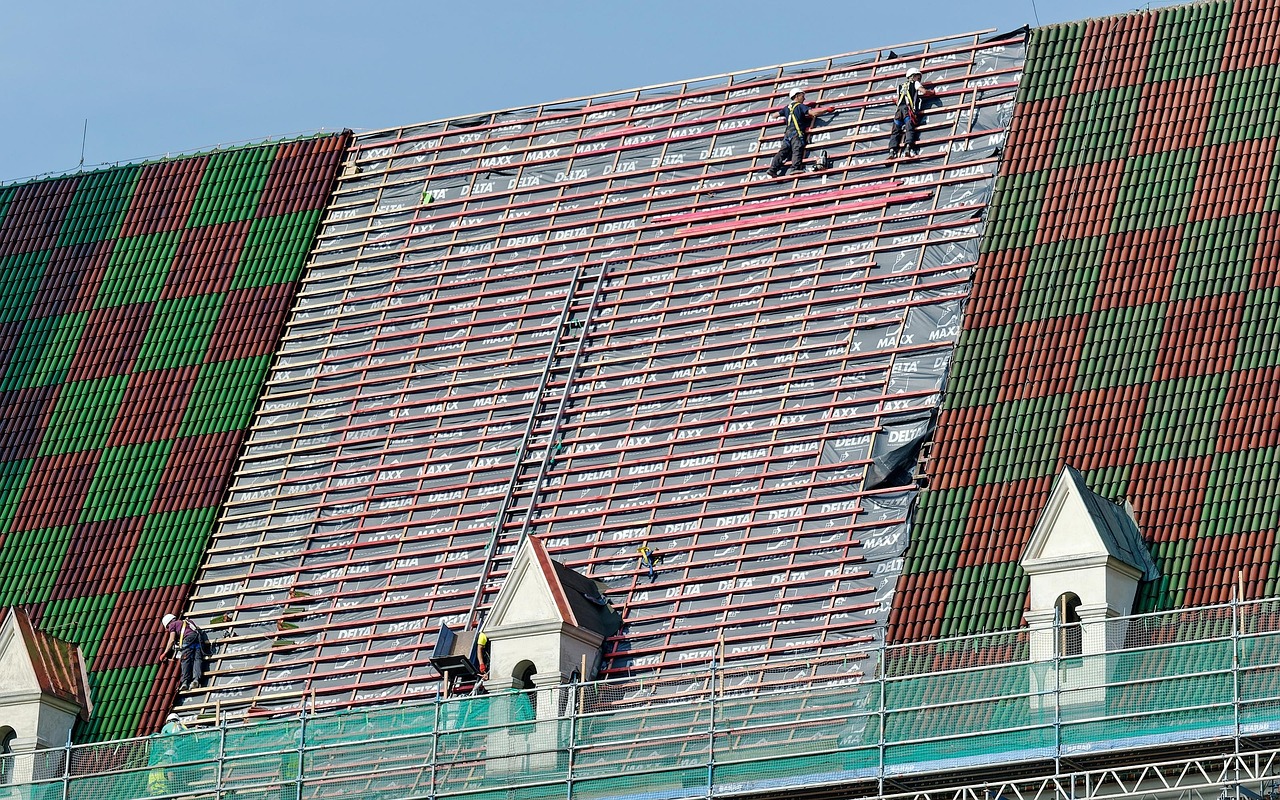
When choosing the right Tampa roof underlayment, understanding reflectivity and non-reflectivity is crucial. In the Tampa climate, where temperatures can soar, reflectivity matters. Reflecting heat away from the roof can significantly reduce the building's cooling costs and, consequently, energy consumption. However, the choice isn't merely about reflectivity. Non-reflective underlayments also have their benefits, such as providing additional insulation, enhancing noise reduction, and even extending the lifespan of the roof by protecting it from UV rays.
Certified Tampa roof underlayment installation professionals emphasize the importance of aligning the chosen material with the specific roof type and local weather conditions. A flat roof in Tampa might benefit more from a non-reflective underlayment that provides extra structural support, while a sloped roof could handle a reflective underlayment that reduces heat absorption. When considering nearby Tampa roof underlayment services, it's also vital to check customer satisfaction ratings and reviews, as top-rated professionals often offer warranties and guarantees that protect against future Tampa roof underlayment damage insurance claims.
Product reviews and consumer guides can be invaluable resources. They offer insights into the performance, durability, and installation ease of various roof underlayment brands. Remember, even the best Tampa roof underlayment isn't immune to damage over time. Homeowners with quality roof underlayment can still face issues like leaks and other roof problems, which is why having comprehensive Tampa roof underlayment damage insurance coverage is essential. This type of insurance protects against unexpected repairs or replacements, offering peace of mind and financial security. By carefully considering the benefits of reflectivity and non-reflectivity, and consulting with certified experts, Tampa residents can make informed decisions to safeguard their homes and investments.
Frequently Asked Questions About The Ultimate Comparison: Reflectivity vs. Non-Reflective Roof Underlayment in Tampa
What is roof underlayment, and why is it important? Roof underlayment is a crucial protective layer laid beneath the shingles or tiles, providing an extra barrier against water intrusion, extreme temperatures, and UV damage. It's vital for maintaining a roof's integrity and extending its lifespan. In Tampa's climate, with its high humidity and frequent storms, choosing the right underlayment can significantly impact energy efficiency, reduce repair costs, and prevent roof failures.
What are the key differences between reflectivity and non-reflective underlayment? Reflective underlayment is designed to bounce sunlight away, helping to keep the roof cooler. It's often made from aluminum or coated materials. Non-reflective underlayment, on the other hand, is crafted to absorb sunlight, providing better insulation. This is achieved through materials like asphalt or kraft paper. The choice between them depends on whether you prioritize energy efficiency or heat retention in your Tampa home.
How does underlayment affect my energy bills? Reflective underlayment can lower cooling costs by reducing heat absorption, which is especially beneficial in Tampa's warm climate. Non-reflective underlayment, while not cooling the roof, offers superior insulation, cutting heating costs during winter. The right choice can substantially impact your energy bills throughout the year.
Which type of underlayment is better for Tampa's climate? Tampa's hot, humid climate suggests that non-reflective underlayment would be more suitable. Its insulating properties help maintain a comfortable indoor temperature, reducing the load on air conditioning. Reflective underlayment might be more appealing for those looking to reduce cooling costs but should be considered with the region's overall climate conditions in mind.
How long does it take to install underlayment? Most underlayment installations in Tampa can be completed within one to two days, depending on the roof size and the underlayment type. A professional roofing contractor will ensure the job is done efficiently and correctly, minimizing any disruption to your daily routine.
Are there any maintenance requirements for either type of underlayment? Both reflective and non-reflective underlayments require minimal maintenance. Regular inspections are recommended to ensure no damage or wear and tear, but overall, they are low-maintenance solutions. Proper installation and occasional checks are usually sufficient to ensure their longevity.
The Tampa roof underlayment landscape presents a clear choice between reflectivity and non-reflectivity, each with distinct advantages tailored to the region's unique climate. Reflectivity emerges as the star in Tampa's hot, humid summers, offering superior heat rejection and a cooler roof. On the other hand, non-reflective underlayments prove their worth in preserving heat during chilly winters, enhancing energy efficiency.
Installation, cost, durability, and environmental impact all play crucial roles in the decision-making process. By understanding these factors, homeowners and contractors alike can make informed choices, ensuring long-lasting, leak-resistant roofs. The article highlights the importance of professional advice, emphasizing that top-rated contractors and their expertise are invaluable resources.
With Tampa's diverse roof types, understanding the specific needs of each is key to successful underlayment selection. By considering these insights, homeowners can expect improved roof performance, enhanced property value, and peace of mind, knowing their Tampa roof underlayment is optimized for the local environment.
In Tampa's unique climate, choosing the right roof underlayment is crucial. Reflectivity offers energy efficiency but may not outweigh costs. Non-reflective underlayments are more affordable, durable, and suitable for insulation. Regular audits and same-day repairs are valuable. Homeowners should consider material, installation cost, and long-term savings. Insurance coverage varies; understanding underlayment types is key. Certified professionals and consumer guides aid in informed decision-making, ensuring Tampa homes are protected.