In Tampa, a robust roof underlayment is your first line of defense against the region's unpredictable climate, from intense storms to high humidity. It's the unsung hero that safeguards your home from leaks and extends the lifespan of your roof. However, over time, even the highest quality Tampa roof underlayment can degrade, becoming susceptible to damage and losing its effectiveness. Knowing when to replace it is crucial to maintain your home's integrity and avoid costly repairs. This guide will walk you through the telltale signs that signal the need for a Tampa roof underlayment replacement, empowering you to make informed decisions about your property's protection.
- Understanding Tampa Roof Underlayment: The Essential Layer
- Common Signs Your Underlayment is Failing
- Inspecting for Water Damage: A Crucial Step
- How Age and Weather Impact Underlayment
- The Role of Professional Roof Experts in Tampa
- Types of Underlayment: Choosing the Right Material
- Cost and Time Considerations for Replacement
- Maintaining Your Roof: Long-Term Protection Strategies
Understanding Tampa Roof Underlayment: The Essential Layer
The Tampa roof underlayment is a critical component often overlooked, yet it matters in your roof's overall health and longevity. Acting as a protective barrier between your roof and the elements, it's the unsung hero of any Tampa home's exterior. Understanding its purpose and recognizing when it needs replacement is vital for maintaining a secure and weather-resistant roof.
In Tampa's unique climate, the underlayment faces consistent challenges from high humidity, strong winds, and occasional severe storms. Over time, this exposure can take a toll. Look for signs such as tearing, curling, or discoloration, which could indicate the underlayment is no longer performing effectively. Older installations may also show signs of degradation, with the material becoming brittle and frail. A certified Tampa roof underlayment contractor can inspect your roof to assess the condition of this crucial layer. They can recommend affordable Tampa roof underlayment upgrades, ensuring your home is protected by the best materials available.
When considering a replacement, opt for high-quality, certified Tampa roof underlayment from reputable brands. These products are designed to withstand the area's specific challenges, offering enhanced durability and leak prevention. Following the manufacturer's guidelines for installation ensures the new underlayment performs as expected. Remember, a well-maintained underlayment is key to preventing costly roof problems and keeping your Tampa home safe from the elements. A top-rated local contractor can provide expert advice and ensure the job is done right, resulting in a robust and reliable roof system.
Common Signs Your Underlayment is Failing
Common Signs Your Tampa Roof Underlayment is Failing
In the Tampa area, where homes endure a unique blend of weather conditions, your roof underlayment plays a critical role in protecting against leaks and moisture damage. Over time, even with high-quality installation, underlayment can degrade, becoming a source of concern. Understanding the signs of failing underlayment is crucial for homeowners. One of the most obvious indicators is visible damage, such as tears, holes, or loose underlayment sheets. This type of damage can expose your roof to the elements, leading to further issues like leaks and mold growth.
If you notice persistent leaks in your home, especially around the chimney, plumbing vents, or in areas with higher wind exposure, it could be a sign of underlayment failure. Leaks are not always visible from the inside; check your attic for water stains or mold growth, which often signal a problem with the underlayment. Another critical factor is the age of your underlayment. While high-quality materials can last 20-30 years, older underlayments are more susceptible to degradation. If your home is nearing that age, a thorough inspection becomes even more essential.
A step-by-step Tampa roof underlayment repair guide recommends the following: first, inspect your roof during dry conditions. Look for any signs of damage, and assess the underlayment's overall condition. If you suspect damage, consult with a top-rated professional. They can provide an expert opinion and, if necessary, recommend replacement. Remember, the cost of Tampa roof underlayment replacement varies based on the size of your roof and the type of underlayment used. However, with proper care and timely repairs, you can extend the life of your underlayment and avoid costly insurance claims for roof damage.
Inspecting for Water Damage: A Crucial Step
Inspecting for water damage is a crucial step in determining if your Tampa roof underlayment needs replacement. Leaks can go unnoticed for months, often concealed by debris or during dry weather conditions. Once you suspect a leak, act swiftly to prevent further damage. Check for discolored or peeled back underlayment, as these are clear signs of water intrusion. Inspect the area around vents, chimneys, and roof valleys, common problem spots in the Tampa climate. Also, look for soft or spongy spots, indicating moisture absorption, which can weaken the underlayment.
A same-day Tampa roof underlayment repair might be feasible if the damage is localized and minor. However, if the leak has been persistent or widespread, a complete replacement is often necessary. The cost of Tampa roof underlayment replacement varies based on the roof size, underlayment type, and local labor rates. Quality roof underlayment brands offer long-lasting protection, but even top-rated products can fail over time. Regular maintenance, including checking for leaks and repairing or replacing worn areas, is crucial to extending the life of your underlayment.
Preventive measures, such as installing the right underlayment for your roof type and climate, can significantly reduce the risk of leaks. Remember, a leak isn't always visible, and water damage can be subtle. Regular inspections, especially after severe storms, are essential. If you're unsure about the condition of your underlayment, consult a trusted contractor. They can assess your Tampa roof underlayment and provide expert advice, ensuring your home stays protected with the best possible defense against leaks.
When dealing with potential roof problems, remember that timely action is key. Don't delay repairs, as small issues can quickly escalate into costly disasters. Homeowner's insurance often covers roof damage, but the specifics vary, so review your policy regarding underlayment replacement and repair. With the right knowledge and a little vigilance, you can keep your Tampa home safe and dry.
How Age and Weather Impact Underlayment
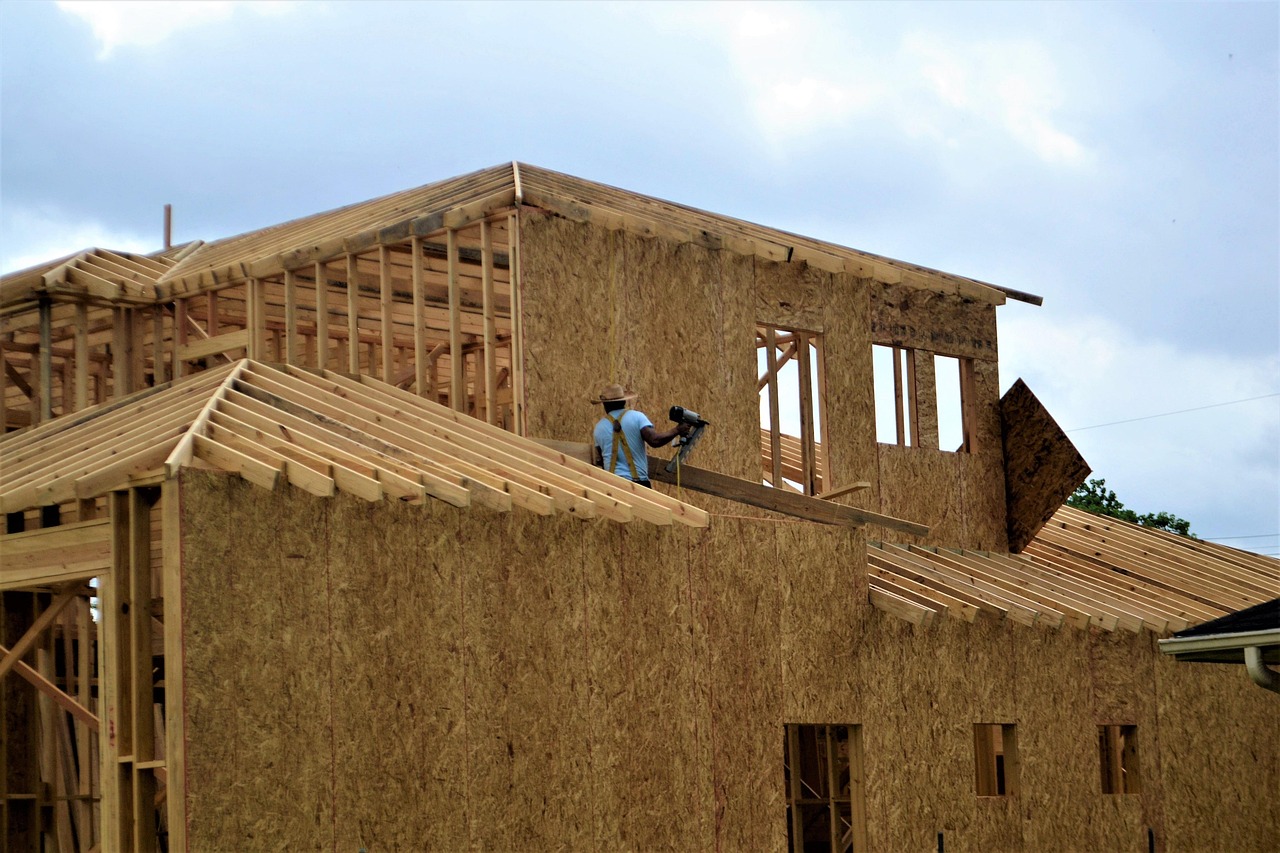
The Tampa climate, with its frequent rain and intense sun, can take a significant toll on your roof underlayment. This crucial component, a protective barrier between your roof and the elements, is often overlooked until problems arise. Over time, even the highest quality roof underlayment can degrade, becoming more susceptible to leaks and other damage. In Tampa, where homes can range from historic bungalows to modern mansions, understanding the impact of age and weather on your underlayment is essential for maintaining a secure and dry space.
One of the most reliable indicators of a need for replacement is age. Most quality roof underlayment manufacturers recommend replacing it every 20 to 30 years, though this can vary based on installation quality and local conditions. In Tampa, where roofs often face extra strain from strong winds and heavy rainfall, this timeline may be shorter. If your home is over 25 years old and you suspect underlayment issues, it's wise to consult a top-rated professional. The best Tampa roof underlayment contractors can perform a thorough inspection, identifying any signs of wear, such as tears, cracks, or loose tape. They can also recommend brands and types suitable for your roof type, whether it's a traditional shake roof or a modern metal one.
Regular maintenance, including periodic checks, can also extend the life of your underlayment. A step-by-step Tampa roof underlayment repair guide recommends inspecting for moisture, which can lead to mold and mildew, and ensuring proper ventilation to prevent excessive heat buildup. If you notice any signs of damage, don't delay. Prompt action, guided by expert advice, can prevent costly and disruptive roof problems. Remember, your Tampa roof underlayment is the first line of defense against the elements, so treating it as a valuable investment is key to maintaining your home's integrity.
The Role of Professional Roof Experts in Tampa

When deciding whether your Tampa roof underlayment requires replacement, turning to professional roof experts is an invaluable step in effective problem-solving. In Tampa, where the climate presents unique challenges, these experts not only provide insights but also offer a comprehensive audit tailored for homeowners. They understand the specific issues that can arise, such as water damage, mold growth, or weak structural support, all of which can be attributed to an aging or damaged underlayment.
A top-rated professional will conduct a thorough inspection, checking for signs of wear and tear, including torn or missing shingles, cracks, or discolored spots, which could indicate a larger underlayment problem. They'll also assess the overall condition of your roof, taking into account its age, type, and the local climate's impact. In Tampa, where roofs often face intense sunlight and occasional severe storms, a thorough audit may uncover issues that a visual inspection might miss. These experts are well-versed in the latest industry standards and can advise on the best course of action, whether it's a simple repair or a complete replacement.
Tampa roof underlayment damage insurance is a crucial aspect to consider. Homeowners should be aware of the coverage provided by their insurance policies, as some plans include specific provisions for roof repairs and replacements. A professional can guide you through the claims process, ensuring you receive the necessary compensation for any underlayment issues that fall under your policy. By involving a trusted contractor early on, homeowners can avoid costly mistakes and ensure their Tampa roof underlayment is in optimal condition.
Types of Underlayment: Choosing the Right Material
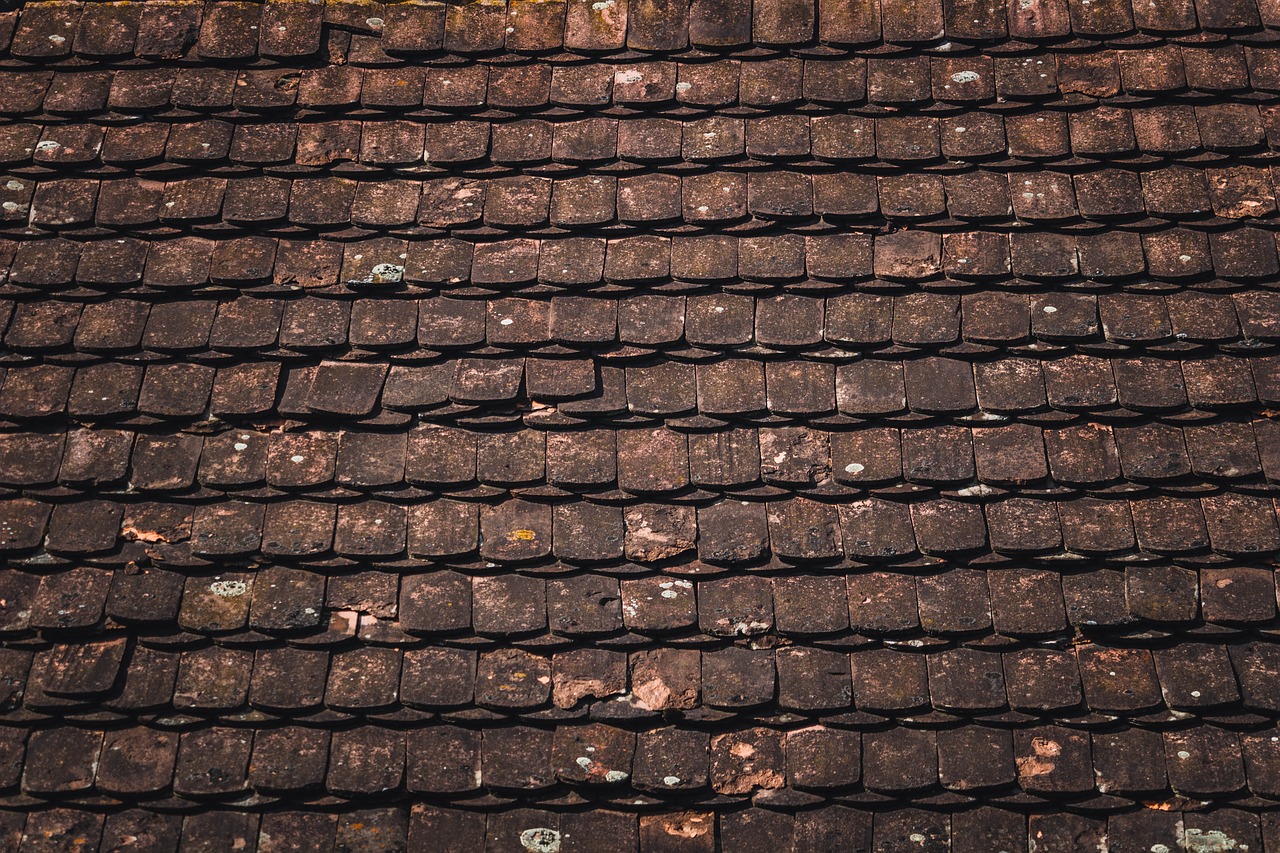
When assessing whether your Tampa roof underlayment needs replacement, understanding the types of underlayment and their suitable applications is crucial. There are primarily two types: self-adhering and non-self-adhering. Self-adhering roof underlayment, popular for its ease of installation in Tampa, involves applying a layer of adhesive to the roof deck before placing the underlayment sheets. This method is efficient for both new constructions and repairs, offering a quick barrier against moisture. Non-self-adhering underlayment, on the other hand, relies on fasteners to secure the sheets to the deck. This type is often chosen for its superior strength and longevity, making it ideal for challenging roof types and climates, like Tampa's.
Choosing the right material depends on various factors, such as the local climate, roof type, and intended purpose. In Tampa, where the climate brings high humidity and occasional storms, a durable, water-resistant underlayment is essential. Consumer's guides and product reviews can offer valuable insights, but it's also beneficial to consult licensed professionals for expert advice. Top-rated contractors in the Tampa area can provide a professional inspection, ensuring your underlayment choice aligns with your home's specific needs. They might recommend a self-adhering underlayment for a quick, leak-prevention solution or a non-self-adhering option for enhanced structural support.
Regular maintenance matters in extending the lifespan of your roof underlayment. Homeowners should be vigilant for any signs of damage or degradation, such as tears, stains, or loose sections. If left unaddressed, these issues could lead to costly roof problems and insurance claims. A damaged underlayment might allow water penetration, causing extensive interior damage and prompting a lengthy and expensive repair process. Therefore, scheduling periodic inspections, especially during extreme weather seasons, is a proactive step to protect your Tampa property.
Cost and Time Considerations for Replacement

When considering whether your Tampa roof underlayment needs replacement, budget and time are critical factors. Let's break down the cost and time considerations for a Tampa roof underlayment replacement project.
First, understanding the typical costs involved is essential. A complete underlayment replacement, including materials and labor, can range from $1,500 to $3,500, depending on the roof size and the type of underlayment chosen. High-quality, durable underlayment materials, such as those used in the Tampa climate, often carry a higher price tag but may offer better protection and longer lifespan. It's important to weigh these costs against the potential savings from avoiding extensive roof damage due to leaks or other issues.
The time required for a replacement also varies. Most installations take one to two days, depending on the complexity of the job. If your roof is particularly large or has unique challenges, the job might take longer. Emergency repairs, however, can be completed more quickly, often within a few hours, at the cost of additional labor and materials. Engaging Tampa experienced roof underlayment contractors is key; their expertise can help streamline the process, ensuring your roof is protected efficiently and effectively.
A step-by-step Tampa roof underlayment repair guide is invaluable for property owners. It involves several steps: inspection to identify damage, removal of the old underlayment, installation of new underlayment, and a final inspection to ensure proper sealing and protection. While some minor issues can be addressed by homeowners, complex repairs are best left to professionals. In cases of severe damage or when dealing with an emergency, don't hesitate to call a reliable contractor for prompt and thorough underlayment replacement, safeguarding your Tampa property from potential further damage.
Maintaining Your Roof: Long-Term Protection Strategies
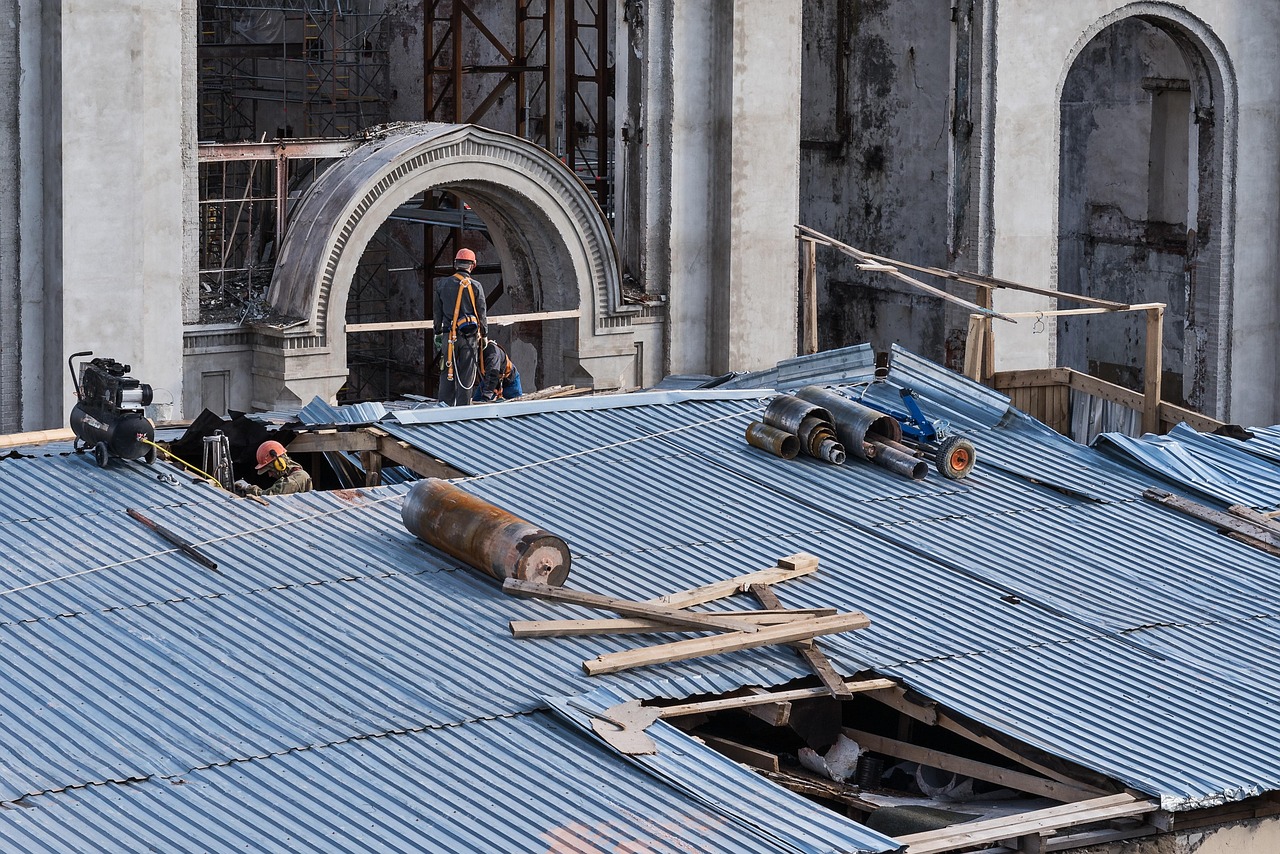
Maintaining the integrity of your Tampa roof underlayment is crucial for safeguarding your home against the elements and costly repairs. While a high-quality, properly installed underlayment should last several years, regular inspection and maintenance are key to extending its lifespan. Here's an in-depth look at signs and strategies for identifying when your Tampa roof underlayment might need replacement, guided by expert advice on Tampa roof underlayment maintenance.
One of the primary indicators is visible damage, such as tears, holes, or significant fraying. Even minor issues can signal a larger problem, especially in the Tampa climate's frequent storms and high humidity levels. Over time, UV exposure can weaken the underlayment, making it more susceptible to the elements. If you notice any structural changes, like curling or bulging, it's advisable to consult local Tampa roof underlayment experts. They can assess the situation, often identifying problems through a simple visual inspection.
Regular maintenance includes checking for signs of moisture, mold, or mildew, as these can indicate leaks or poor ventilation. The Tampa climate's high humidity can accelerate these issues. Top-rated professionals recommend examining the underlayment after severe weather events. 24/7 emergency repair services can be invaluable in such situations, ensuring immediate protection against further damage. Keeping detailed records of your inspections, repairs, and maintenance can help you track the underlayment's condition over time. This proactive approach, combined with expert guidance from local Tampa professionals, will ensure your roof underlayment provides the long-term protection your home deserves.
Frequently Asked Questions About How to Tell if Your Roof Underlayment Needs Replacement in Tampa
What is roof underlayment?
Roof underlayment, also known as sheathing, is the layer of material beneath the shingles that provides a barrier against moisture and adds structural support. It's typically made of plywood or oriented strand board (OSB). A crucial component of any roof, its integrity is essential for protecting the home from water damage and maintaining the structural integrity of the roof.
How do I know if my roof underlayment is damaged?
Examine your roof for any signs of water damage, such as discolored or peeling paint, mold growth, or warped or blistered shingles. Also, look for gaps or loose boards in the underlayment. If you notice these issues, it may indicate damage to the underlayment. A professional inspection is recommended to assess the extent of the damage.
What causes underlayment to fail?
Underlayment can fail due to various factors, including poor installation, exposure to extreme weather conditions, or age-related wear and tear. Excessive moisture, inadequate ventilation, and termite infestation can also contribute to its deterioration.
How often should I check my roof underlayment?
Conduct a visual inspection of your roof underlayment at least once a year, preferably during the spring or fall. This allows you to identify and address any issues before they escalate, ensuring the longevity of your roof.
When should I replace my roof underlayment?
Replace your roof underlayment if it shows signs of significant damage, such as extensive water damage, mold growth, or if it's been more than 10-15 years since the last installation. A professional contractor should assess the situation to determine the best course of action.
How long does underlayment replacement usually take?
Most underlayment replacement jobs take one to two days, depending on the size and complexity of the roof. This process involves removing the old underlayment, inspecting the roof deck, installing new underlayment, and securing it properly.
Can I replace the underlayment myself?
While some homeowners may be capable of replacing underlayment, it's often recommended to hire a professional contractor. They have the expertise and tools to ensure the job is done correctly, minimizing the risk of further damage and ensuring a proper seal against the elements.
Understanding the vital role of a Tampa roof underlayment is key to maintaining your home's protection against the region's unique climate. By recognizing common signs of failure, such as water damage, aging, or weather-related wear, you can take proactive steps to ensure the longevity of your roof. This process involves meticulous inspection, selecting the right underlayment material for your roof type, and understanding the costs and time involved in replacement.
Relying on top-rated professionals in Tampa can significantly enhance your underlayment's performance and protect against potential roof damage. Their expertise and customer satisfaction track record are invaluable assets in navigating the complex choices surrounding underlayment products. Regular maintenance, as highlighted in this guide, serves as a powerful strategy for long-term protection.
By synthesizing these key insights, homeowners in Tampa can make informed decisions about their roof underlayment, ensuring a solid defense against leaks and other roof problems. This practical knowledge equips you to maintain your home's value and avoid costly emergency repairs, underscoring the article's value as a comprehensive resource.
Your Tampa roof underlayment, a crucial protective barrier, requires regular attention. Signs of failure, such as tears, discoloration, or persistent leaks, signal the need for replacement. Opt for high-quality, certified underlayment from reputable brands, installed correctly for optimal protection. Professional inspections, especially after severe weather, are vital. Regular maintenance, including checking for moisture and mold, extends the underlayment's lifespan. Budget and time considerations, varying from $1,500 to $3,500 and 1-2 days, respectively, underscore the importance of proactive care.