The Tampa climate presents unique challenges for roofing materials. When selecting the right underlayment for your Tampa roof, understanding the specific needs of your roof type is crucial. The wrong choice can lead to costly leaks and damage, while the right one can extend the life of your roof and provide peace of mind. This article will guide you through the process of choosing the best underlayment for your Tampa home, taking into account various roof types, local weather patterns, and expert contractor insights, ensuring a solid and protective shield for your investment.
- Understanding Tampa Roof Underlayment: Essential Role
- Roof Type Assessment: Key to Right Underlayment Choice
- Types of Underlayment: Membranes and Their Functions
- Local Weather Patterns: Impact on Underlayment Selection
- Installing Underlayment: Step-by-Step Guide for Tampa Roofs
- Common Mistakes to Avoid When Choosing Underlayment
- Longevity and Warranty: Ensuring Roof Protection
- Expert Advice: Best Practices for Tampa Roof Underlayment
Understanding Tampa Roof Underlayment: Essential Role
The Tampa climate presents unique challenges for roofing materials. Understanding the role of a quality Tampa roof underlayment is essential to safeguarding your investment. Acting as a crucial barrier between your roof and the elements, the underlayment matters in leak prevention, a common concern in our region's humid, storm-prone environment.
While the initial cost of Tampa roof underlayment installation might seem significant, it's a small price to pay compared to the potential for costly roof damage down the line. Quality underlayment acts as a secondary defense against leaks, providing extra protection for your roof system, especially during sudden changes in weather patterns-a frequent occurrence in Tampa. When considering a replacement, consult with licensed professionals who can assess your specific roof type and recommend the best underlayment for the job. Nearby Tampa roof underlayment services abound, ensuring access to expert advice and top-rated brands that can withstand our region's unique demands.
Remember, a well-installed underlayment is key to extending the life of your roof and safeguarding your home against potentially devastating water damage. Investing in the right underlayment and ensuring its professional installation can save you money and headaches in the long run, making it a smart choice for any Tampa homeowner.
Roof Type Assessment: Key to Right Underlayment Choice
When selecting the appropriate underlayment for your Tampa roof, understanding your specific roof type is crucial. The Tampa climate, with its hot summers and occasional severe storms, presents unique challenges that require tailored solutions. A flat roof in Tampa may require a different underlayment than a pitched roof, each with its own set of considerations for leak prevention and durability.
The first step in making an informed choice is assessing your roof's design. In Tampa, many homes feature either flat or pitched roofs. Flat roofs, common in low-rise buildings, require an underlayment that can withstand the weight of a potential leak and provide excellent barrier protection. On the other hand, pitched roofs, found in many single-family homes, benefit from underlayments designed to handle varying weather conditions and slopes.
Reliable Tampa roof underlayment companies offer a range of products, with prices varying based on quality and material. The cost of Tampa roof underlayment replacement can be an affordable investment when compared to the potential damage from water intrusion. Top-rated professionals often recommend quality roof underlayments that balance cost-effectiveness with durability, ensuring your roof remains protected for years to come. Remember, choosing the wrong underlayment could lead to costly repairs, so seeking expert advice and reading consumer guides is essential before making a decision.
Types of Underlayment: Membranes and Their Functions
When selecting the best underlayment for your Tampa roof, understanding the various types and their functions is crucial. Two primary types of membranes dominate the Tampa market: synthetic and bitumen. Each offers distinct advantages and considerations for your roof's specific needs.
Synthetic underlayments, like those made from polypropylene or polyethylene, are lightweight, flexible, and highly water-resistant. They are an excellent choice for Tampa's humid climate, as they prevent moisture from seeping through to the roof deck. This type is often preferred for flat or low-slope roofs, as it can handle high wind loads and won't crack under extreme temperatures. Synthetic membranes are easy to install, making them a popular choice among Tampa roof contractors. Many top-rated professionals in the area specialize in certified Tampa roof underlayment installation, ensuring a durable and leak-proof barrier.
On the other hand, bitumen underlayments, also known as tar paper, have been a standard in the industry for decades. They are robust, offering superior tear resistance and a more traditional installation process. Bitumen is suitable for a wide range of roof types and is particularly effective in preventing roof leaks, a common concern for Tampa homeowners. While it may require more skill to install, certified experts can guarantee a proper, long-lasting application. Regular maintenance, guided by expert advice on Tampa roof underlayment maintenance, is key to extending the life of any underlayment, regardless of type. Periodic inspection and repair can mitigate the risk of costly emergency repairs due to leaks.
Local Weather Patterns: Impact on Underlayment Selection

The Tampa climate presents unique challenges when selecting the right underlayment for your roof. Local weather patterns, including frequent rainfall and high humidity, can significantly impact the performance and longevity of your roof underlayment. Understanding these patterns is crucial when choosing a suitable underlayment for your Tampa roof.
In this environment, moisture management is key. Water can infiltrate and damage your roof, leading to leaks and costly repairs. A high-quality roof underlayment acts as a crucial barrier, protecting your home from these issues. Look for underlayments specifically designed for humid climates, which often feature superior water-resistant properties. These products are engineered to handle the Tampa weather and provide added protection against mold and mildew growth, a common problem in such conditions.
A step-by-step Tampa roof underlayment repair guide is a valuable resource when addressing any problems. However, prevention is always better than cure. By selecting the right underlayment for your roof type and climate, you can significantly reduce the risk of future issues. If you're dealing with an older roof, consider a more durable underlayment that offers extended protection. Affordable options are available, ensuring you can find a suitable underlayment that fits both your budget and Tampa's weather demands. Problem-solving doesn't have to be complex; understanding the local climate is the first step in ensuring your Tampa roof underlayment performs optimally for years to come.
Installing Underlayment: Step-by-Step Guide for Tampa Roofs
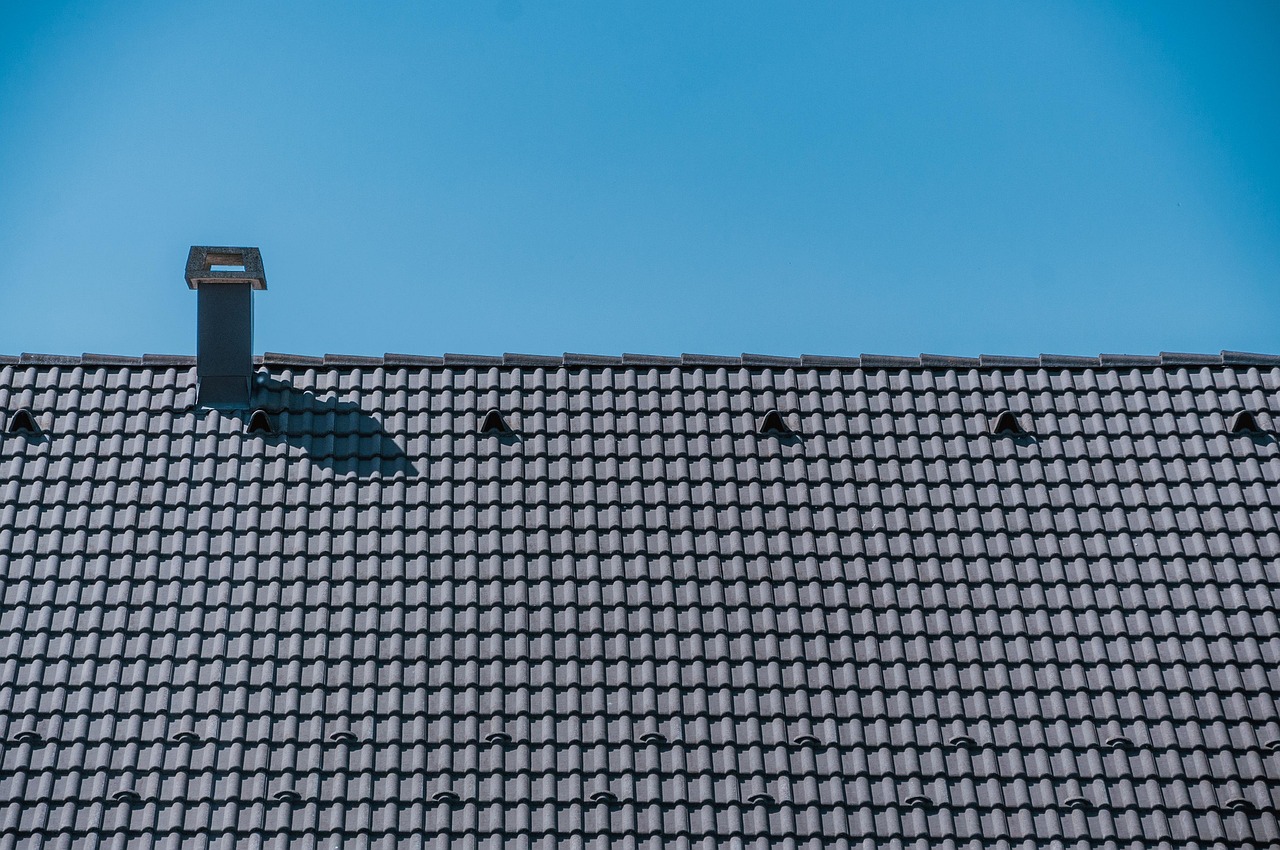
Choosing the right underlayment is crucial for your Tampa roof's long-term protection, especially considering the region's unique climate. Tampa's hot, humid summers and occasional storms demand a quality roof underlayment that prevents leaks and withstands the test of time. Installing underlayment is a critical step in any Tampa roof project, and understanding the process is key to ensuring your investment is protected.
When selecting an underlayment, consider the specific roof type. A metal roof might require a different underlayment than a traditional shake roof. Top-rated Tampa roof underlayment brands offer a variety of options tailored to these differences. Some manufacturers specialize in waterproof membranes ideal for humid climates, while others provide underlayments with superior wind resistance, a critical factor in this storm-prone area.
The installation process begins by preparing the roof deck, ensuring it's clean, dry, and free of any debris. Then, lay down a layer of primary underlayment, often a synthetic felt, in a crosshatch pattern to enhance wind resistance. This step is followed by a secondary underlayment, which can be a more specialized product depending on your roof type and desired protection. A reflective underlayment can help reduce roof temperatures, leading to energy efficiency. Once the underlayment is in place, it's time to install your final roof covering, ensuring a watertight seal for your Tampa home.
Affordable Tampa roof underlayment options are available from many reputable brands, but quality should never be compromised. Customer reviews and ratings are valuable resources when selecting a contractor and underlayment. Top-rated professionals in the Tampa area often partner with known underlayment brands, ensuring a job well done. Remember, the right underlayment not only protects your roof but also extends the life of your home, providing peace of mind in this hurricane-prone region.
Common Mistakes to Avoid When Choosing Underlayment
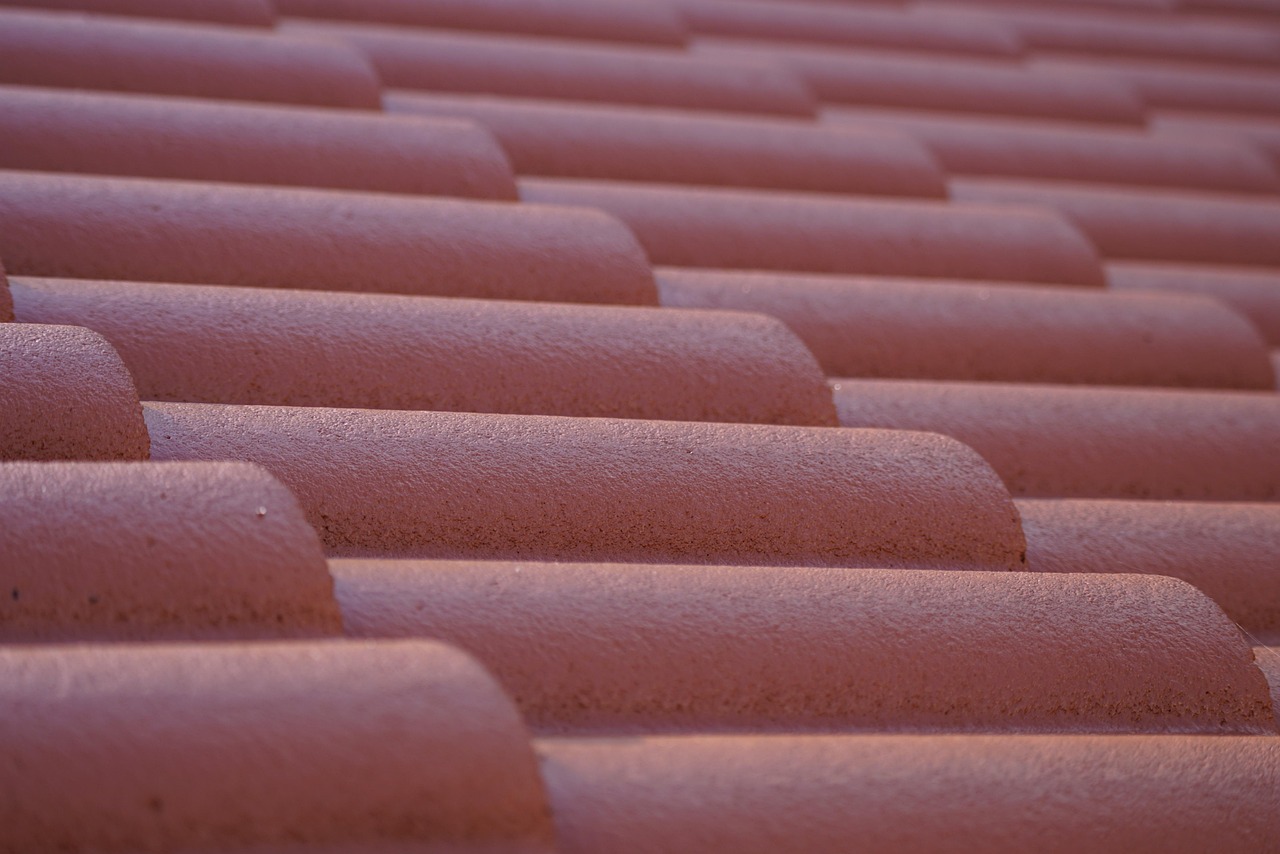
When selecting the right underlayment for your Tampa roof, there are several common mistakes to avoid. One of the most critical errors is choosing an underlayment that doesn't match your specific roof type. Tampa's diverse climate brings varying weather conditions, and an unsuitable underlayment can fail to provide adequate protection against leaks, especially during intense summer storms or cold winters. A lightweight underlayment may not handle heavy snowfall as effectively as a heavier-gauge option.
Another mistake is opting for the cheapest underlayment without considering quality and durability. While an affordable Tampa roof underlayment is essential for budget-conscious homeowners, cheap materials can lead to frequent replacements and costly repairs. Licensed Tampa roof underlayment installation professionals recommend prioritizing quality over price. A top-rated, durable underlayment from reputable brands ensures a longer lifespan, reducing the need for frequent maintenance and minimizing the risk of roof problems.
Failing to consult with reliable Tampa roof underlayment companies is another pitfall. Engaging the services of top-rated professionals ensures you receive expert advice tailored to your roof's unique requirements. These professionals have in-depth knowledge of local building codes, wind ratings, and the best practices for underlayment installation. Emergency repair services often rely on licensed contractors who can quickly assess and rectify issues, minimizing downtime and potential damage.
Neglecting regular maintenance and inspections is perhaps the most costly mistake. Even the best underlayment requires periodic checks to ensure it remains in optimal condition. Regular inspections help identify weak spots, potential leaks, or damage from pests or extreme weather. Reliable Tampa roof underlayment companies often offer maintenance packages to ensure your investment remains protected. By avoiding these common mistakes, you'll ensure your Tampa roof stays secure and durable for years to come.
Longevity and Warranty: Ensuring Roof Protection

The longevity and warranty of your Tampa roof underlayment are crucial for ensuring the long-term protection of your investment. In the Tampa climate, where extreme weather events are common, a high-quality underlayment acts as a vital shield against leaks and damages. Look for materials that are designed to withstand high winds, intense sunlight, and temperature fluctuations. A top-rated underlayment should offer a minimum of 20 years of protection, but leading brands provide warranties extending up to 40 years.
When choosing your underlayment, consider the specific roof type. Metal roofs require a different underlayment than asphalt shingles. Consult with experienced Tampa roof underlayment contractors who can provide expert advice tailored to your property. They can help you navigate the many options available, ensuring you select a product that aligns with your roof's needs and your budget. They offer 24/7 Tampa emergency roof underlayment services in case of sudden damage, providing peace of mind.
Regular maintenance is another key to maximizing the lifespan of your underlayment. This includes inspecting for signs of wear and tear, ensuring proper ventilation, and keeping the underlayment clean of debris. A consumer's guide from a reputable manufacturer can offer valuable insights into best practices. Reading product reviews from other Tampa homeowners can provide real-world perspectives on different brands and their performance. By following these steps and seeking expert advice, you'll ensure your Tampa roof underlayment performs effectively, safeguarding your home against the elements.
Expert Advice: Best Practices for Tampa Roof Underlayment

Choosing the right underlayment for your Tampa roof is crucial, as it matters in leak prevention and prolonging the life of your roof. In this section, we'll examine expert advice and best practices tailored to the Tampa climate and roof types.
First, consider the specific roof type. Tampa's diverse weather patterns, from intense sun to occasional storms, demand a flexible yet protective underlayment. For flat or low-slope roofs, a synthetic underlayment like TPO (thermoplastic olefin) or EPDM (ethylene propylene diene monomer) is ideal. These materials offer superior elasticity, resisting both extreme heat and cold, and are highly reflective, reducing heat absorption. For steeper pitched roofs, a more traditional felt underlayment, like asphalt or fibreglass, can be suitable. It's essential to check local building codes and consult with a top-rated professional to ensure compliance.
For leak prevention, a quality roof underlayment is your first line of defense. Many Tampa homeowners face the challenge of roof problems, from leaks to wind damage, prompting emergency repairs. A reputable contractor will recommend an underlayment with superior water resistance, such as those with a high-grade, puncture-resistant layer. Regular maintenance, including inspecting for tears or loose shingles, is also key. In the event of storm damage, immediate attention is vital; an emergency repair service can provide prompt relief, mitigating potential indoor water damage. A consumer's guide to underlayment products can help homeowners make informed decisions, ensuring their investment is protected.
Lastly, homeowner's insurance often covers roof damage, but understanding the coverage requires careful consideration. Reviewing your policy with a customer-satisfaction focused agent can help clarify what's covered, especially when dealing with a complex Tampa roof. Remember, the right underlayment choice can significantly impact your insurance claims process, so don't underestimate the importance of expert advice tailored to your specific roof type and local conditions.
Frequently Asked Questions About Choosing the Right Underlayment for Your Tampa Roof Type
What is underlayment and why is it important? Underlayment, also known as a roof underlayment or sheeting, is a crucial protective layer installed between your roof decking and the final roof covering. It serves as a secondary barrier against moisture, weather damage, and UV exposure, extending the life of your roof. The right underlayment choice depends on your Tampa roof type, climate, and desired level of protection.
What types of underlayment are available for Tampa roofs? Common underlayment options for Tampa's diverse roof types include felt paper, synthetic underlayments (like TPO and EPDM), and reflective underlayments. Each type offers unique advantages, such as water resistance, durability, or energy-saving properties. The best choice depends on your specific roof design and local weather conditions.
How do I choose the right underlayment for my roof type? Consider your roof's pitch, local climate, and expected lifespan. Steeper roofs may require more water-resistant underlayments, while flat roofs benefit from reflective options to manage heat. Consult a qualified contractor who can assess your needs and recommend an underlayment that matches your Tampa roof's characteristics for optimal performance.
Is there a minimum or maximum thickness for underlayment? Industry standards recommend underlayment thicknesses between 15 and 30 mils (0.015" to 0.030") for most residential applications. Thicker underlayments offer enhanced protection but may add material and installation costs. Ensure the chosen thickness aligns with your roof's load-bearing capacity and local building codes.
Can I install underlayment myself, or do I need a professional? While DIY installation is possible for some underlayment types, professional installation is highly recommended. Contractors have the expertise and equipment to ensure proper installation, sealing, and fastening, which is crucial for long-term protection. Consider the complexity of your roof and local building codes when deciding on DIY versus professional installation.
How often should I replace or repair my underlayment? Regular inspections are key to identifying wear and tear. Underlayment replacements or repairs are typically needed every 5 to 10 years, depending on exposure and quality. Signs of damage, such as extensive tearing or water stains, indicate the need for immediate attention. A qualified roofer can assess and recommend appropriate maintenance.
When selecting the right tampa roof underlayment, you've gained valuable insights from understanding its essential role in protecting your roof, assessing your specific roof type and local weather patterns, and following expert best practices. By choosing the appropriate underlayment, you can mitigate leak prevention concerns, ensure longevity, and maintain your home's value. Next steps include consulting top-rated professionals, reviewing consumer's guides, and checking product reviews to make an informed decision. Remember, your Tampa roof underlayment is your first line of defense against the elements, so prioritize quality and protection.
The Tampa climate demands a robust, tailored roof underlayment for effective leak prevention. Selecting the right underlayment, whether synthetic or bitumen, depends on roof type. Quality installation from licensed professionals is crucial, balancing cost and durability. Regular maintenance, expert advice, and consumer guides ensure the best protection. Avoid common mistakes like choosing the wrong underlayment or neglecting maintenance for long-term investment security.